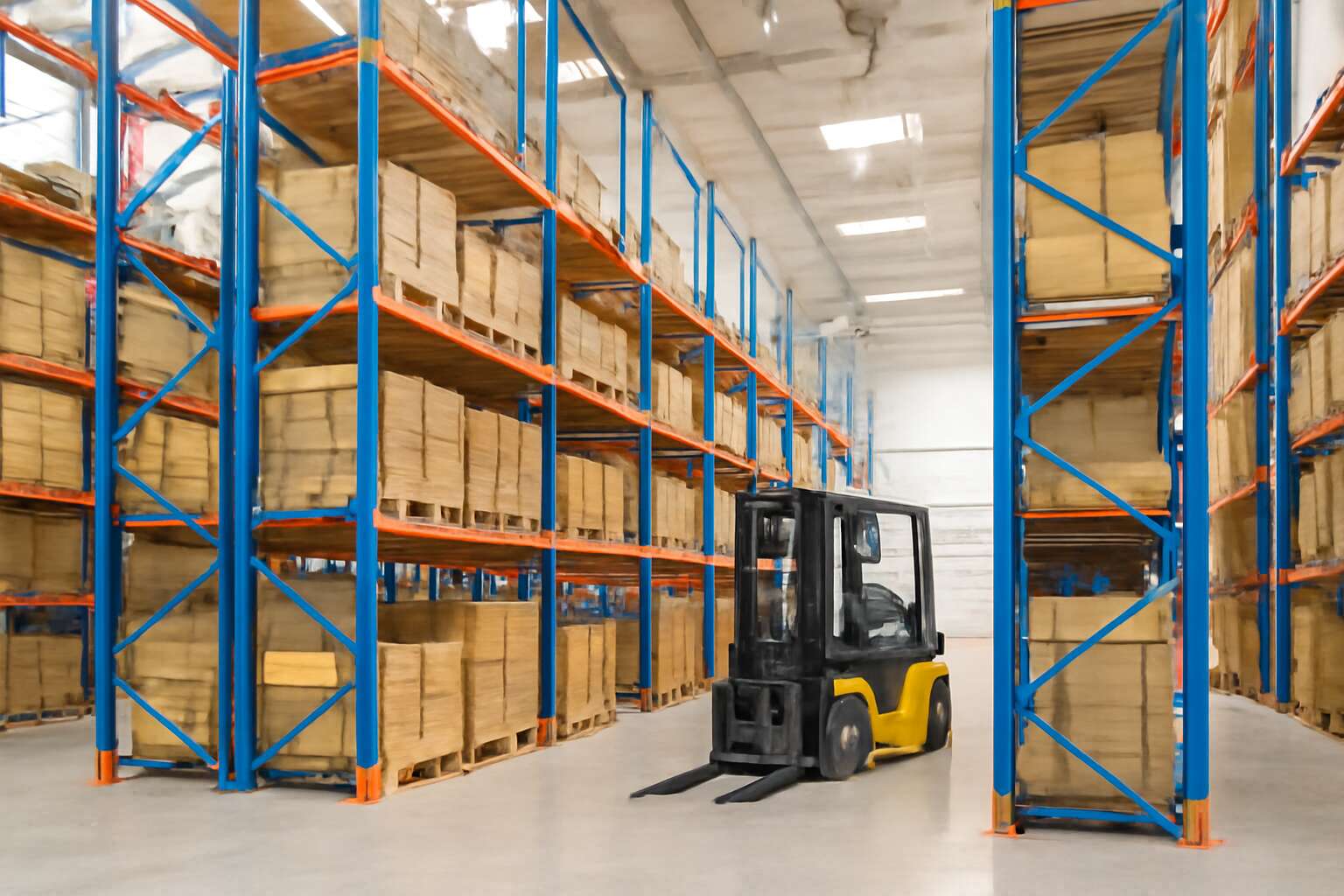
Fundamentals of rack sizing and standard measurements
Understanding pallet rack components
Space is the quiet drumbeat behind every successful dispatch. “Size is storage’s secret ally,” a mentor once whispered, and in South Africa’s warehouses that truth rings true: when standard racking dimensions are respected, space opens like a well-tuned instrument.
Fundamentals of rack sizing hinge on footprint, bay width, and ceiling height. We measure by pallet footprint, vertical increments, and load per level, balancing reach with access. The aim is harmony between rack spine and the rhythms of your aisles.
- Uprights and beams form each bay
- Decking or wire mesh for shelf storage
- Bracing and anchors for rigidity
- Safety pins and load labels
Understanding pallet rack components helps me see the space clearer; from base to crown, every part whispers measurement and resilience, and I hear the steel hum.
Common measurement terms and what they mean
Across South Africa’s warehouses, space often speaks louder than forklifts. A striking stat says up to 30% of usable area sits idle when rack sizing drifts from standard racking dimensions. Fundamentals of rack sizing hinge on footprint, bay width, and ceiling height. Measurements track pallet footprint, vertical increments, and load per level, aligning reach with access and the cadence of the aisles.
- Footprint — horizontal ground space of the rack and pallet.
- Bay width — distance between uprights.
- Clear height — unobstructed vertical clearance to the ceiling.
These common terms translate into practical planning, turning theory into concrete layout choices for South Africa’s distributors.
How dimensions influence load capacity and safety
In South Africa’s warehouses, space speaks louder than forklifts; up to 30% of usable area can be wasted when rack sizing drifts from standard racking dimensions. Fundamentals of rack sizing shape how load rides on each beam and how safely employees can reach pallets. The key decisions sit in a few stubborn measurements: footprint, bay width, and clear height—tuned to the anticipated pallet footprint and the cadence of the aisles.
- Pallet footprint consistency across bays
- Uniform vertical increments to maintain even load per level
- Adequate clearance for safe forklift access and aisle width
When these choices align with standard racking dimensions, capacity becomes predictable and safety assumes a human face on the warehouse floor. That discipline translates into longer equipment life, fewer accidents, and fewer surprises when audits arrive.
Why standardized dimensions matter in warehouses
In South Africa, space speaks louder than forklifts. Wasted floor area can reach 30% when rack sizing drifts from standard racking dimensions. Fundamentals start with footprint, bay width, and clear height—each tuned to the anticipated pallet footprint and the cadence of the aisles.
Key decisions sit in three steady measurements, shaping how load rides on each beam and how safely staff reach pallets.
- Footprint consistency across bays
- Uniform vertical increments for even load per level
- Adequate clearance for safe forklift access and aisle width
When these choices align with standard racking dimensions, capacity becomes predictable and safety has a human face on the warehouse floor. That discipline translates into longer equipment life, fewer accidents, and smoother audits.
Standard pallet rack sizing guidelines
Widths, depths, and heights explained
Space is money, and mis-sized racks are like paying for carpet in a swimming pool. In warehouses, the right measurements translate to speed and safety. A solid match between pallets and uprights can shave minutes off every shift. Welcome to standard racking dimensions—where your racks actually help, not hassle.
Widths must cradle a pallet with just enough wiggle room for forks. Depths mirror pallet depth, plus a safety margin, so pallets sit without kissing the back of the rack. Heights are driven by pallet height and the lift’s reach, stacking levels that fit your building.
- Width: bay width equals pallet width plus clearance
- Depth: shelf depth equals pallet depth plus clearance
- Height: level height chosen to fit pallet height and forklift reach
In South Africa, such precision pays off in tighter spaces and lower maintenance.
Beam levels and spacing standards
In the brisk warehouses of South Africa, beam levels govern more than height — they choreograph speed and safety! A rack set with deliberate beam spacing keeps every pallet moving like a measured drumbeat, a whisper of efficiency in a busy floor. The idea of standard racking dimensions turns clutter into clarity.
Beam levels and spacing standards guide the layout to cradle pallet height and forklift reach, while consistent spacings keep loads aligned and reduce fork travel. Consider these principles:
- Beams set at uniform elevations across bays to simplify handling.
- Clearance under the beam supports safe entry and pallet seating.
- End bay alignment maintains straight lift paths from dock to storage.
When these elements echo the standard racking dimensions, spaces compress into usable width, and maintenance remains predictable—a quiet math that pays in performance.
Aisle width considerations for forklifts
Brisk South African warehouses reveal a simple truth: aisle widths are not background noise—they guide speed and safety. When aisle planning aligns with standard racking dimensions, forklifts glide rather than lurch, and every pass fetches another pallet without drama. The goal is to marry pallet footprint, reach-truck reach, and rack depth into one confident line of travel.
Consider these practical pinch-points, which often decide how smoothly aisles behave:
- Pallet size and footprint (length x width)
- Forklift turning radius and load handling height
- Aisle lighting and floor flatness (to avoid wheel slip)
With the spacing guiding the layout of bays, the floor becomes a measured drumbeat of efficiency, like a well-tended harvest row. Every inch earns its keep.
Choosing compatible uprights and frames
The backbone of efficient warehousing begins with compatible uprights and frames, carefully matched to standard racking dimensions. When uprights and frames align, pallets slide into place with a predictable rhythm, and forklifts follow a clean, confident arc rather than a hesitant weave. The aim is to pair pallet footprint with rack depth and beam spacing so every lift feels effortless.
- Upright height and frame depth match your bay count and lift height
- Hole spacing and connection pattern align across all components
- Finish and corrosion protection suit local humidity and floor conditions
In this way, the floor becomes a steady drumbeat of efficiency—the sort you feel in a South African warehouse after a long harvest season.
Industry variations and application specific dimensions
Retail vs industrial storage requirements
South Africa’s urban warehouses are tight on space and fast on turnover. A veteran manager once said, ‘space is our most expensive tool,’ and it captures the tension across sectors: retail outlets want shelves that move quickly for shoppers, while industrial facilities chase bulk storage and robust safety. Industry variations push managers to weigh height, density, and accessibility differently, even when the goal is the same: reliable racks that perform under real-world conditions. I’ve seen the same pressure across retail and industrial spaces.
- Retail environments demand high pick density and easy replenishment.
- Industrial storage prioritizes heavier loads, longer life spans, and automation readiness.
- Climate zones and corrosion resistance matter in both sectors; stainless or coated finishes protect assets.
By aligning with standard racking dimensions, both sectors gain interoperability and smoother maintenance across suppliers and sites.
Cold storage and humidity considerations
Cold corners demand more than sturdy beams; industry variations show that application-specific dimensions matter as much as load ratings. In cold storage, humidity and temperature swings rewrite the rules, shaping how racks are finished and how tall they can safely be. Aligning with standard racking dimensions provides predictability across sites—even in South Africa’s climate extremes.
- Humidity control and condensate pathways affect corrosion risk on uprights and beams.
- Coatings and stainless finishes extend life in humid, salty or chlorine-rich environments.
- Clearance for pallet movement and forklift reach must match higher safety margins in refrigerated aisles.
In practice, plants map temperature zones to rack heights and aisle widths without abandoning shared standards. The result is smoother maintenance, fewer mismatches, and safer handling as operations scale across South Africa’s diverse markets.
Automated storage systems dimension constraints
Across South Africa’s warehouses, variation isn’t optional—it’s the rule. Industry-specific needs carve dimension constraints for automated storage systems, from high-density AS/RS halls to compact urban depots. Your anchor is standard racking dimensions, but every site negotiates height ceilings, pallet footprints, and aisle choreography that reshape fit, load paths, and safety margins.
Consider these dimension constraints that automation imposes:
- Automation-friendly clearances for robotic shuttles and forklifts
- Corridor widths that fit reach cycles and service access
- Integrated power, cooling, and sensing within rack geometry
In the end, the baseline remains a compass even as machines take the helm.
High-density rack configurations and clearance
“Space is currency,” a South Africa warehouse manager often says, and the numbers back it up: high-density rack configurations can boost throughput when dimensions align with standard racking dimensions.
Industry variations demand application-specific footprints. Consider these typical scenarios:
- Automated storage systems in high-density halls with narrow margins between aisles
- Urban depots where compact footprints sharpen service times
- Cold-chain facilities that demand insulation-aware rack geometry and controlled humidity
- Pharma and chemical sectors requiring meticulous load paths and containment margins
Across sectors, dimension constraints shift with need, but the baseline remains a compass—standard racking dimensions—guiding fit, load path integrity, and safety margins as automation takes the helm.
Planning, compliance, and maintenance of rack dimensions
Regulatory standards and compliance checklists
Storage spaces breathe when standard racking dimensions are respected; mis-sized systems waste space, slow picking, and invite forklift ballet. A recent industry pulse shows that one in three rack audits flags dimension mismatches, turning compliance into a punchy KPI rather than a boring checkbox.
Planning around standard racking dimensions means cross-checking pallet footprints, vertical clearances, and aisle geometry long before the first bolt is turned. Regulatory standards and local compliance keep warehouses honest, because wandering dimensions rarely end well in South Africa.
- Regulatory standards adherence and applicable codes
- Documentation and traceability for audits
- Regular inspections and load-path verifications
- Recordkeeping of uprights, beams, and configurations
Maintenance keeps the footprint honest: routine inspections for corrosion, beam alignment checks, and touch-ups on weakened connectors. When components wear, the whole system suspects misalignment—so a steady maintenance cadence is cheaper than a disaster.
Safety clearances and load path planning
South Africa’s warehouses move faster when spaces breathe. In many facilities, a single mis-sized rack can waste up to 12% of usable space and slow every pick. Planning around standard racking dimensions means weighing pallet footprints, vertical clearances, and aisle geometry before the first bolt is turned. Safety clearances and load-path planning keep operators safe and racks stable, reducing collisions and product damage!
Regulatory standards and local codes guide the work. Documentation and traceability for audits matter, and regular inspections verify uprights and beams align with the design. In South Africa, staying compliant keeps warehouses honest and ready when audits arrive. Tie-ins to standard racking dimensions help maintain consistency across sites and simplify regulatory reviews.
Maintenance keeps the footprint honest: routine checks for corrosion, beam alignment, and connector wear reveal issues before they affect performance. When components wear, alignment suffers. A steady maintenance cadence is cheaper than a disaster and protects the integrity of standard racking dimensions.
Inspection routines and dimension verification
“Precision is profitability,” a maxim carried into every SA warehouse briefing. When planning around standard racking dimensions, spaces breathe, throughput follows, and the rack line becomes a confident heartbeat of the operation.
Mapping pallet footprints, vertical clearances, and aisle geometry precedes the first bolt turn, letting safety and efficiency align from the drawing board.
- Inspection routines that confirm dimension adherence
- Documentation trails for audits and changes
- Torque considerations and fastener wear as indicators of stability
Compliance matters—local codes, regulatory checklists, and site-wide dimension standards knit consistency across sites and ease regulatory reviews.
Maintenance keeps the footprint honest: routine corrosion checks, beam alignment, and connector wear identify issues before they compromise the system, preserving standard racking dimensions.
Documentation and vendor specifications
In South Africa’s warehouses, floor space is gold and a misplaced bay can shave 15% off throughput. Planning around standard racking dimensions lets spaces breathe and operations pulse with confidence.
Planning relies on documentation and vendor specifications that translate reality into drawings teams can trust. Key sources include:
- Vendor product manuals and tolerances
- Dimensioned drawings and update logs
- Material specs and compatibility notes
With these, the rack line aligns with procurement, installation, and future audits without surprises.
Compliance matters—local codes, regulatory checklists, and site-wide dimension standards knit consistency across sites and ease regulatory reviews.
Maintenance keeps the footprint honest: corrosion checks, beam wear, and connector integrity guard the picture over time. When attended to, the standard racking dimensions stay true and auditable.




0 Comments