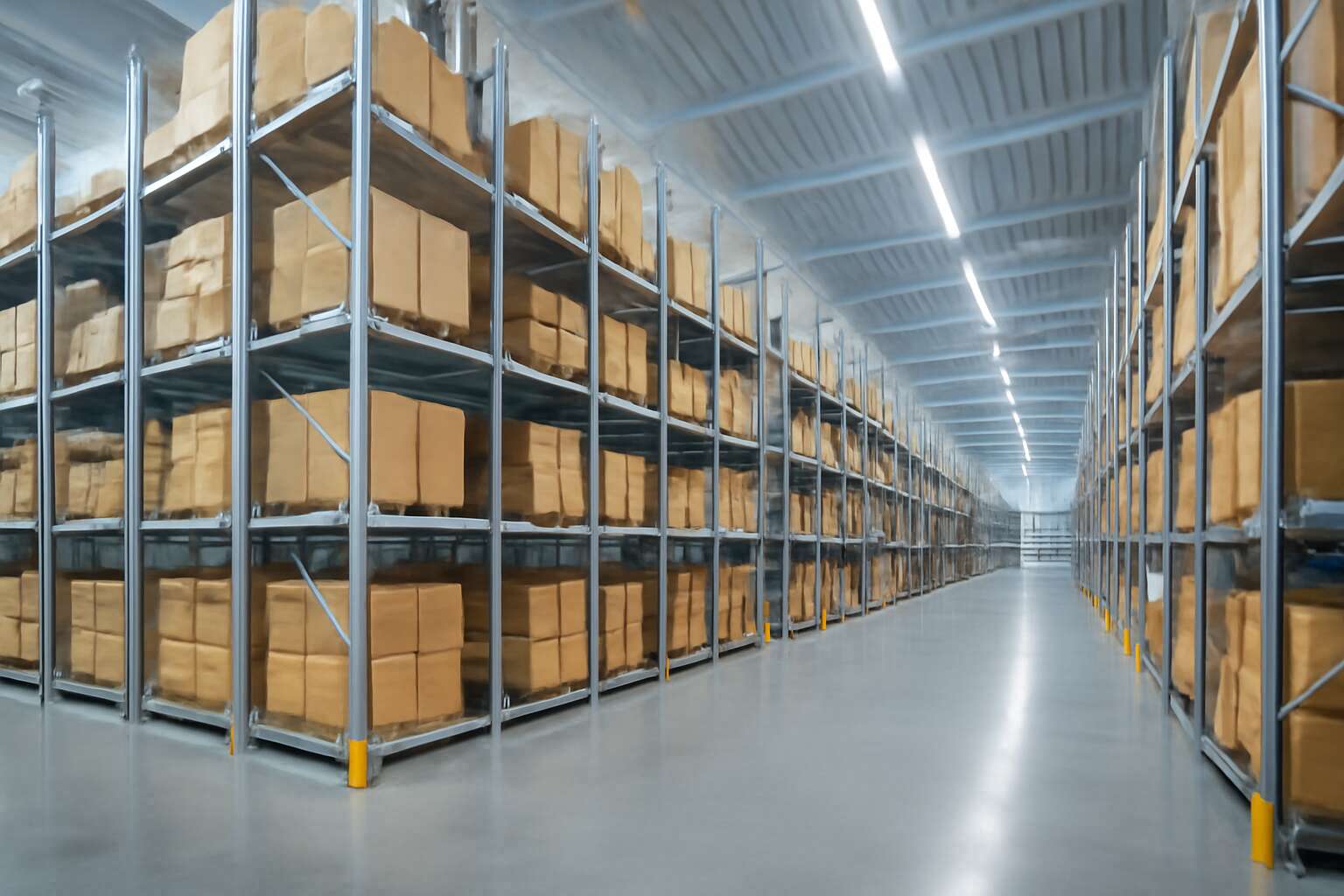
Vertical divider solutions for pallet racks
What are vertical dividers and their role in storage systems
Stowed inside the hum of a busy warehouse, the right vertical alignment saves minutes. In a South African hub, operators report fewer misloads after adopting a focused divider strategy. Vertical dividers—quiet sentinels along uprights—act like ribs, guiding pallets and preventing contact!
Vertical dividers are lightweight yet sturdy panels installed along pallet racks, standing between bays to enforce unit boundaries. They keep small pallets from tipping, fit varying pallet sizes, and simplify the picking path. For many facilities, racking vertical dividers offer a modular, customizable solution that can be moved as stock changes.
- Improved load stability and reduced pallet damage
- Quick reconfiguration as stock turns
- Enhanced safety for operators during picking
Working with these dividers becomes a tactile study in efficiency and trust—the way a warehouse feels when order comes easy.
Key benefits for warehouse organization and safety
In South Africa’s fast-paced warehouses, misloads dropped by 12% after teams adopted racking vertical dividers. The difference isn’t flashy, but it’s palpable—aligned bays, defined boundaries, and a rhythm that respects operator flow and pallet geometry!
These panels act as quiet navigators along uprights, guiding pallets, curbing tipping, and accommodating a spectrum of pallet footprints. They also simplify future reconfigurations when stock turns demand new layouts.
- Enhanced containment reduces pallet migration and damage
- Quick reconfiguration as stock turns with minimal downtime
- Safer picking zones that align with operator routes
Together, the approach yields a resilient, human-centered workflow that keeps stuff moving and people safer.
Choosing the right material and finish for durability
In South Africa’s fastest-moving warehouses, small design choices compound into real gains—misloads fell by 12% after teams adopted racking vertical dividers.
Choosing the right material is a balance between durability and weight, with finishes that survive heat, dust, and forklift scuffs. For racking vertical dividers, steel with powder coating offers rugged resilience against dings and corrosion; galvanised steel handles damp environments; aluminium or reinforced polymers keep weight down where visibility is prized.
- Powder-coated steel for rugged resilience
- Galvanised steel for moisture-prone zones
- Aluminium or reinforced polymers for lighter, visibility-focused dividers
Finish matters beyond looks. Epoxy or polyurethane coatings maintain colour and edge protection under heavy use; UV-stable laminates resist sun exposure in sun-soaked facilities.
Compatibility with standard rack types and accessories
Across South Africa’s fastest-moving warehouses, one simple alignment—compatibility—drives outcomes! In practice, misloads fell after teams adopted racking vertical dividers, proving that integration with existing systems matters as much as the divider itself. These components slot into standard pallet rack frames—uprights, beams, and common accessories—with ease.
- Standard uprights and beam spacing compatibility
- Attachment methods that preserve load paths
- Interoperability with end-of-aisle guards and beam stops
- Simple reconfiguration for seasonal stock shifts
When chosen with care, these dividers preserve visibility and streamline reconfiguration without forcing a wholesale rack overhaul. They integrate with standard rack types and accessories, offering a cohesive, safer storage solution that adapts as stock profiles evolve.
Materials, durability, and performance
Common materials used for vertical dividers (steel, aluminum, polymer)
In South Africa’s bustling warehouses, one misstep can echo through every aisle. A seasoned manager once said, “The difference between order and chaos is a single racking vertical divider.” The material you choose shapes durability and performance under heat, dust, and coastal humidity. Steel, aluminum, and polymer each bring a different rhythm to how the dividers hold lines, shield inventory, and withstand daily wear. The right material for racking vertical dividers reduces denting, cross-traffic interference, and maintenance costs over time.
- Steel: high strength, crush resistance, and rugged performance under heavy loads; best with a protective coating to prevent corrosion.
- Aluminum: lighter weight, excellent corrosion resistance, and easy handling for fast reconfigurations.
- Polymer: cost-effective, good chemical resistance, and quieter operation, though check UV stability for sun-exposed areas.
Whatever the environment, performance hinges on finish and compatibility with the rack system. Coatings that deter corrosion in coastal cities, along with robust edge protection, keep racking vertical dividers looking sharp and functioning smoothly in busy teams.
Load ratings, deflection, and impact resistance considerations
In the shadowed maze of South Africa’s warehouses, every rail and brace bears the weight of a day’s unseen arithmetic. Material choice carves durability against heat, dust, and coastal humidity. For racking vertical dividers, strength and stiffness decide whether lines stay true, or falter under daily traffic.
Consider these anchors when weighing performance:
- Load ratings aligned to per-panel capacity and rack system compatibility
- Deflection thresholds that prevent bowing and misalignment under expected shelf stresses
- Impact resistance and edge protection to minimize denting from traffic or pallet mishaps
Coatings that resist coastal corrosion, plus robust edge guards, keep dividers looking sharp as the warehouse hums with activity!
A thoughtful balance of material, finish, and geometry preserves order from dawn to midnight, even as forklifts glide through the aisles.
Corrosion resistance and environmental suitability
A brisk statistic bites: in SA warehouses, corrosion and misalignment siphon 30% of downtime from metalwork—proof that materials matter. When it comes to racking vertical dividers, durability is the quiet negotiator between bustling aisles and orderly rows.
- Marine-grade surface finishes for coastal warehouses
- Galvanized or epoxied steel for long-term durability
- UV-stable polymers for glare-free visibility and flexibility
Coastal or dusty environments demand corrosion resistance and environmental suitability. Steel with galvanization, aluminum alloys, or durable polymers survive heat, humidity, and pallet traffic without losing shape. Coatings and edge guards protect against nicks and salt creep, keeping lines crisp and shop-floor chatter coherent.
Maintenance and lifecycle expectations
A brisk statistic bites: in SA warehouses, 30% of downtime is siphoned away by corrosion and misalignment—proof that materials matter. In this environment, racking vertical dividers become more than separators; they are quiet negotiators of order amid bustle.
For coastal or dusty environments, marine-grade finishes rise to the challenge. We prefer galvanised or epoxied steel for long-term durability, along with UV-stable polymers that stay glare-free and flexible. Coatings and edge guards shield against salt creep and nicks, keeping lines crisp and the shop-floor stillness intact!
Maintenance and lifecycle expectations: durability rests in smart choices today. When racking vertical dividers are paired with robust finishes, they resist heat, humidity, and pallet traffic, sustaining performance year after year.
- Materials that endure: galvanized steel, aluminum alloys, durable polymers
- Protective finishes: galvanizing, epoxy coatings, UV-stable polymers
- Lifecycle indicators: deformation resistance, repairability, recyclability
Installation, configurations, and optimization
Measuring and planning for height, spacing, and alignment
A cleanly installed system hums, not shouts. In controlled warehouses, precise placement of racking vertical dividers can lift picking speed by up to 25%, turning clutter into clarity and delay into momentum. The rule is simple: align height, spacing, and edges with care, and the rack rewards you with speed.
Installation starts with a clean baseline: verify frame tolerances, anchor points, and compatibility with existing beams. Configurations are not one-size; modular dividers let you tailor zones for skewed aisles or high-turn inventory. Secure fasteners, avoid over-tightening, and test a sample run before full deployment.
Measuring and planning for height, spacing, and alignment guides optimization. These choices shape how the system breathes in real use, influencing cycle times and aisle ergonomics while maintaining safety.
That careful balance—height, spacing, alignment—renders the warehousing space a living, deliberate instrument of efficiency.
Anchor and mounting methods for different rack systems
Installation magic begins with anchor and mounting methods tailored to each rack family. For racking vertical dividers, the choice of fasteners and mounting geometry determines how cleanly the system breathes—quiet, precise, and ready for fast picking in South Africa’s bustling warehouses. A well-anchored divider stays aligned through shifts in load and forklift traffic, turning vigilance into velocity.
Configurations vary by rack type: some bays rely on through-beam anchors, others use clamp-on brackets that preserve frame integrity. The aim is consistent edge alignment and predictable spacing, so aisles stay navigable and dividers function as intended, not as obstructions.
- Through-bolted anchors for heavy-duty pallet rack systems
- Clamp-on or sleeve brackets for retrofit installations
- Vibration-damping pads for high-traffic aisles and quiet operation
Optimization emerges from repeatable checks and gentle refinements—ensuring the racking vertical dividers remain true to their line, with edges square to the bays and corners clear of impact zones.
Modular setups and adjustable divider options
In South Africa’s busiest warehouses, every second saved on each pick compounds into real throughput gains. When racking vertical dividers align with quiet exactness, the path from racking to rapid retrieval becomes almost musical. Installation begins with choosing mounting geometry that respects each rack family and the floor they stand on.
Configurations differ by bay: some spaces benefit from subtle, retrofit-friendly support, others from solid structures that guard frame integrity. The goal is consistent edge alignment and predictable spacing so aisles stay navigable and dividers function as intended rather than becoming obstacles.
Optimization follows repeatable checks and patient refinements, keeping the dividers true to their line, edges square to the bays, and clearance clear of impact zones. In practice, small adjustments deliver steadier operation and a calmer warehouse rhythm.
Best practices to maintain aisle access and workflow
Across South Africa’s busiest warehouses, a single percent saved on every pick compounds into real throughput gains. Installation of racking vertical dividers begins with selecting mounting geometry that respects each rack family and the floor they stand on, setting the stage for quiet precision.
Configurations vary by bay, and the aim is consistent edge alignment and predictable spacing so aisles stay navigable and dividers function as intended rather than becoming obstacles.
- Subtle retrofit-friendly support suits retrofit-friendly bays
- Solid structures guard frame integrity for others
- Edge alignment and predictable spacing preserve aisle flow
Optimization follows repeatable checks and patient refinements, keeping the dividers true to their line, edges square to the bays, and clearance clear of impact zones. In practice, I’ve seen how small adjustments deliver steadier operation and a calmer warehouse rhythm.
Integration with shelving and mezzanine systems
In South Africa’s busiest warehouses, the difference between flow and gridlock can hinge on a single, unseen detail—the placement of racking vertical dividers, quietly sharpening focus and pace, turning a chaotic aisle into a measured corridor.
Installation begins with observing mounting geometry that respects each rack family and the floor they stand on, setting the stage for quiet precision and seamless interaction with shelving and mezzanine systems.
Configurations vary by bay, with an aim for edge alignment and predictable spacing so aisles stay navigable and dividers behave as intended rather than becoming obstacles.
Optimization follows patient refinements—keeping dividers true to line, ensuring clearance from impact zones, and preserving a calm warehouse rhythm across shelves and decks.
Safety, standards, and maintenance
Safety standards and regulatory considerations for storage fixtures
Safety in crowded warehouses hinges on precision. One misaligned racking vertical divider can trigger a domino of misloads and near-misses. Strong standards exist, and they apply to every fixture used in racks. In South Africa, OHSA obligations and SABS/SANS guidelines shape how storage fixtures are specified, installed, and inspected.
- OHSA compliance and risk assessments
- SABS/SANS standards for storage fixtures
- Documentation of inspections and load history
- Incident reporting and corrective actions
Maintenance isn’t optional; it is part of the factory floor discipline. Regular checks against corrosion, fastener integrity, and alignment help keep the dividers performing as intended. Establish a lifecycle plan and audit trail so safety remains constant, not reactive.
Inspection checklists for vertical dividers
Warehouses in South Africa run on precision, not luck. A single misaligned racking vertical dividers can unleash a chain reaction of misloads and near-misses, turning neat aisles into risk zones. Compliance isn’t a slogan; it’s a daily discipline that keeps operations stable and safe.
To keep that discipline, maintenance teams rely on a concise inspection checklist:
- Fastener tightness and corrosion on all fixings
- Vertical divider alignment with rack faces and adjacent units
- Signs of deformation, bending, or impact damage
- Record-keeping for loads, usage, and any incidents
- Clear access labels and unobstructed aisles
All findings are logged with timestamps and load histories, feeding a lifecycle plan and audit trail that keeps safety constant. Where risk assessments in the field highlight gaps, corrective actions are swift, preventing drift from standards.
Cleaning, lubrication, and routine maintenance
South Africa’s warehouses don’t run on luck; they run on discipline. A single misaligned racking vertical dividers can spark a chain reaction—misloads, near-misses, and a creeping risk through clean aisles.
Cleaning, lubrication, and routine maintenance are the quiet sentinels of safety. Regular cleaning removes dust and grit that grind at fixings; light, approved lubricants keep pins and hinges moving freely—without slippery surprises. Proper care protects racking vertical dividers and the flow of work.
Maintenance schedules must be crisp and recorded. Log every action with dates and outcomes, assign responsibilities, and review weekly. That audit trail keeps safety constant and helps catch drift before it becomes a problem.
Key routines include:
- Cleanliness and corrosion control for the divider system
- Appropriate lubrication of moving fixings and hardware
- Visual checks for alignment, deformation, and wear
- Documentation and timestamped records to support audits
Damage prevention, repair, and replacement strategies
“Safety isn’t a feature—it’s a discipline,” says a veteran safety engineer. In South Africa’s bustling warehouses, racking vertical dividers bear the brunt of collisions and misloads, yet they rarely shout for help. The warnings are quiet until they aren’t.
Standards demand vigilance: alignment, corrosion control, and crisp maintenance records. The integrity of racking vertical dividers matters. A small misalignment can ripple through product flow, aisle access, and worker safety. Compliance with South African standards and international best practices keeps risk in check.
Damage prevention, repair, and replacement strategies require a measured, audit-ready approach. After any impact, assess, log, and trigger restoration with certified parts and documented approval processes. Maintain traceability and a lifecycle plan to justify replacements and preserve system integrity. These strategies apply to racking vertical dividers across your storage system.
- Immediate containment and incident reporting
- Certified parts and tested repair methods
- Lifecycle planning with scheduled replacements



0 Comments