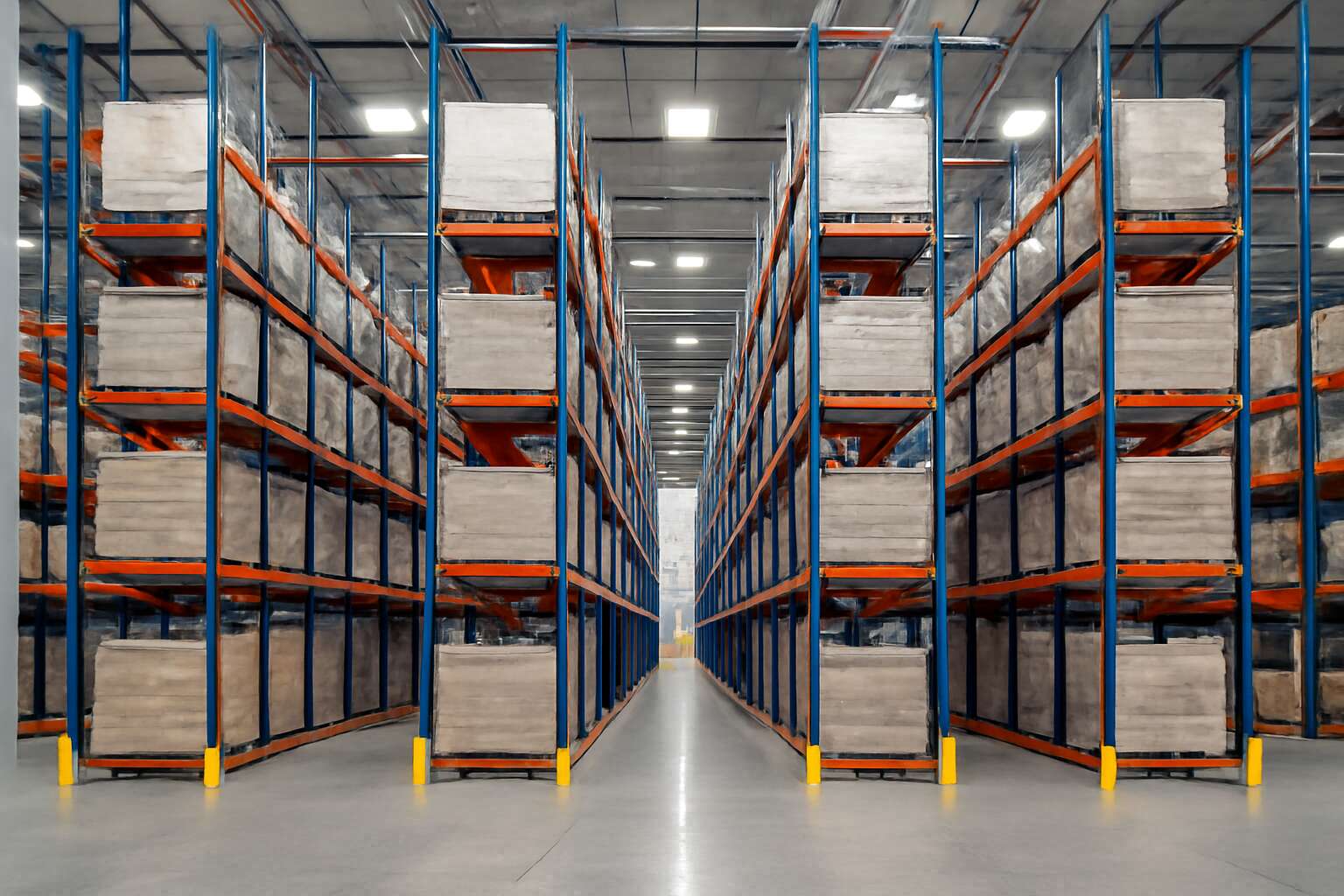
Dimensions and Layouts for Modern Drive-In Storage Systems
Foundational Concepts and Terminology
In South Africa’s bustling warehouses, space is the rarest resource and every inch counts. Dimensions drive decisions, and the phrase drive in racking dimensions isn’t just clever jargon—it’s the difference between wasted air and usable real estate. When layouts are tuned, travel time shrinks, picking becomes swifter, and the whole operation breathes a little easier.
Key elements shaping these layouts include pallet footprint, aisle width, vertical clearance, and truck reach. The following considerations keep systems efficient and safe:
- Aisle width and turning radius aligned with pallet size
- Beam levels that maximize vertical storage without compromising access
- Vertical clearance and mast reach for safe, reliable handling
With the right balance, the math behind drive-in configurations translates to steadier workflows and more resilient rack performance—without overbuilding the warehouse footprint.
Sizing Strategies for Different Warehouses
In South Africa’s busy distribution hubs, every centimetre on the floor counts. The right balance of drive in racking dimensions turns cramped spaces into usable real estate. When layouts are tuned, travel time shrinks, picking speeds rise, and the operation breathes a little easier.
Sizing strategies vary with the warehouse profile. Urban facilities favour density; larger regional hubs prize rapid access and throughput. Depth, height, and spacing must align with load sizes and equipment reach to maximize capacity without compromising safety. By shaping the footprint around real workflows, facilities stay nimble and cost-effective through changing demand.
Layout Planning and Compliance
Inside South Africa’s humming warehouses, the quiet mathematics of drive in racking dimensions can rewrite the day. A well-tuned footprint can cut travel by up to 30%, keeping pallets flowing like traffic on a well-timed highway and lifting throughput with a single thoughtful adjustment.
Layout planning must respect pallet dimensions, forklift reach, and the geometry of aisles, while upholding safety and compliance standards. I’ve learned to balance height with load size, depth with access, and to anticipate pinch points before they appear.
- Pallet footprint and maximum load size
- Aisle width and turning radius
- Entry/exit points for in-rack movement
- Fire and emergency access routes
With an eye to future demand, the layout should breathe—expansion joints, modular bays, and clear signage guiding operators. Compliance isn’t a checklist; it’s a living rhythm that keeps audits clean and floors safe, letting real workflows unfold without friction.
Implementation, Testing, and Optimization
In South Africa’s bustling warehouses, optimizing drive in racking dimensions can trim travel time by as much as 30%. The math is quiet but relentless: every inch rearranged reshapes throughput and reduces fatigue on the floor.
Implementation unfolds as a living test: I observe flows, measure reach, and witness how deep bays answer changing demand. The right dimensions invite continuous improvement.
- Assess pallet footprint and load sizes
- Validate forklift turning radii in aisles
- Ensure safety clearances and emergency access
Testing becomes optimization when signs, modular bays, and clear exit routes align with actual operator behavior. In this way, dimensions emerge not as constraints but as catalysts for safe, swift movement.




0 Comments