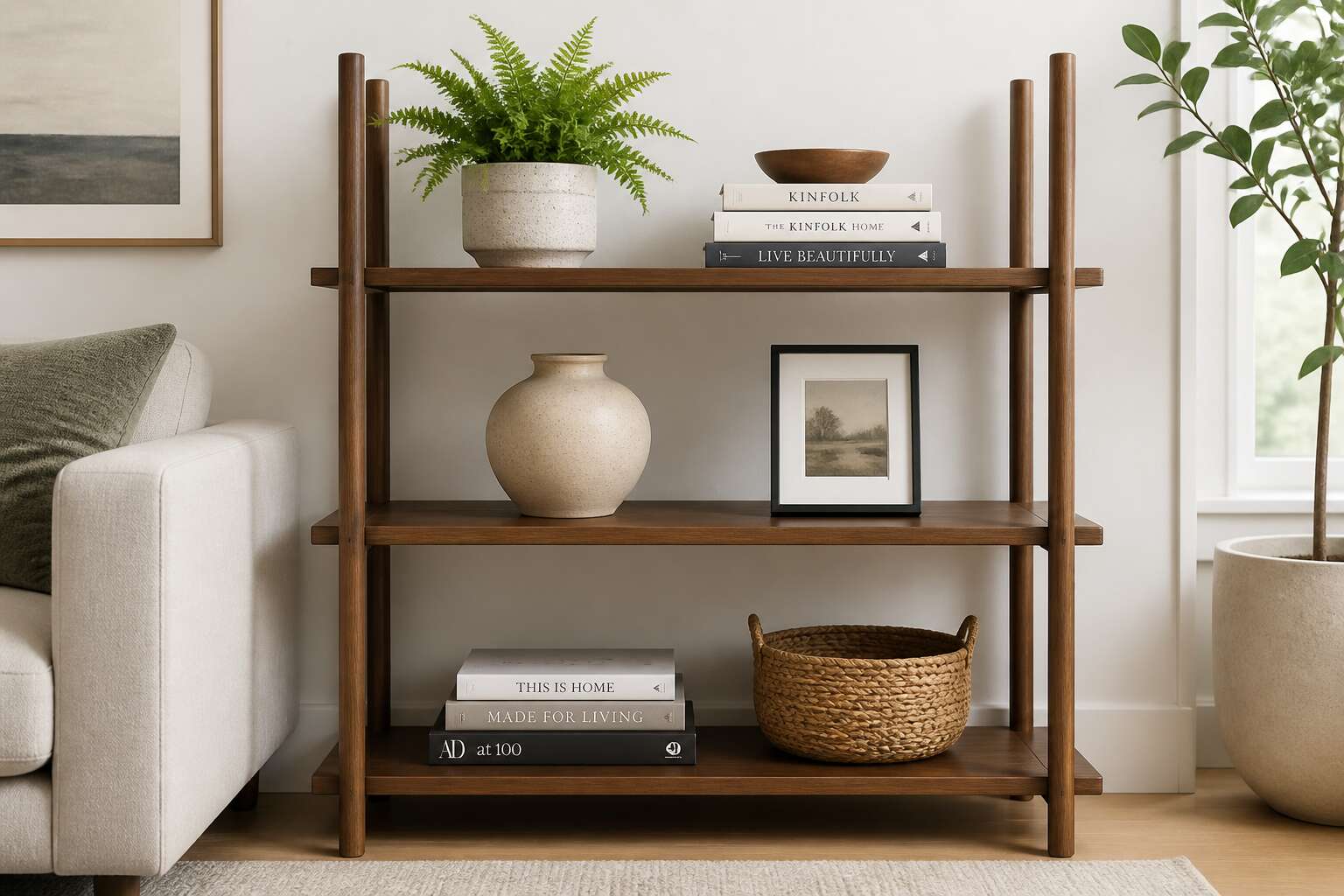
Why Choose a Three-Tier Storage Unit
Maximizing Vertical Space in Compact Rooms
Floor space is scarce in South African city flats. A typical one bedroom in Cape Town leaves little room for extra furniture. Yet the walls above head height remain unused. That area can solve your storage problem.
A shelving 3 tier unit turns vertical space into practical storage. It lifts items off the floor, freeing the ground for daily movement. Three tiers give you dedicated layers for different belongings. Books on the top, tools in the middle, shoes at the bottom.
- Keeps daily items within reach
- Uses wall height instead of floor width
- Supports up to 15 kilograms per shelf
This design works when a room feels tight. You avoid bulky cupboards that dominate corners. Instead, a narrow frame tucks against any wall. In my rental, a shelving 3 tier model holds my kettle and mugs. The kitchen counter stays clear. That simple change makes the whole room feel larger.
Balancing Accessibility and Organization
There is a peculiar satisfaction in opening a cupboard and finding exactly what you need, precisely where you left it. The opposite, a frantic excavation of a cluttered drawer, is a small daily humiliation we all endure. A shelving 3 tier unit offers a quiet repudiation of that chaos. It creates a system of visible order, where nothing is hidden and therefore, nothing is truly lost.
The architecture of three distinct levels is what prevents this from becoming another pile of stuff. You assign a role to each tier, and the cabinet enforces that role. It is a silent but firm social contract with your own belongings.
– The top tier is for the weekly reading material, the charger, or the spare keys. Items that are important but not urgent.
– The middle tier holds the daily driver, the handbag, or the kettle, the things you touch within sixty seconds of waking.
– The bottom tier becomes the catch-all for the dog’s leash or the shoes you kicked off yesterday.
This stratification means you are not digging through a mountain of unrelated objects to find one item. The top shelf is not a graveyard for relics you never use, nor is the bottom a black hole for things you are too lazy to put away. Instead, the shelving 3 tier acts as a mediator. It forces a decision about where something belongs, which neatly sidesteps the problem of it belonging nowhere. In the cramped reality of a Johannesburg apartment, that kind of negotiated peace is worth more than the extra square meter it frees up.
Key Factors to Evaluate Before Purchasing a Multi-Level Shelf
Material Durability and Weight Capacity
Your cast iron potjie pot deserves better than a warped shelf. Before you commit, evaluate material durability. A shelving 3 tier unit in powder coated steel handles 80 kilograms per level. Particle board sags under half that load. Check the steel gauge and the weld quality, not just the finish.
Weight capacity is the second trap. Retailers list a total weight, but each tier has its own limit. Distribute heavy goods evenly and keep the densest items on the bottom.
- Inspect the cross braces for flex.
- Measure the shelf depth against your storage bins.
- Confirm base width so the unit does not tip.
Humidity also shortens lifespan. Coastal air corrodes cheap fasteners, while a baked enamel finish resists rust for years. A shelving 3 tier unit in untreated wood will warp by the next rainy season. Match the material to your climate, not the product photo.
Assembly Complexity and Maintenance Needs
Putting a shelving 3 tier unit together takes time. The manual’s diagrams can be cryptic. Most designs require a Phillips screwdriver, a rubber mallet, and a second pair of hands. Some units ship with cam locks needing a precise turn to seat properly. Rushing leads to wobbling shelves that never square up.
Maintenance follows a simple rhythm. Wipe surfaces fortnightly to prevent grime buildup in the joints. Check bolts after the first month; they settle as timber or steel compresses. Tighten gently, never forcing threads.
Consider these points.
- Lay out parts on a soft surface to avoid scratches.
- Count fasteners against the parts list first.
- Tighten screws in a cross pattern to keep the frame square.
A shelving 3 tier unit that takes forty minutes to build can last a decade with minimal care. The effort is front-loaded. The payoff is a stable structure that stays true.
Safety Features for Homes with Children or Pets
When you share a home with toddlers or energetic pets, a shelving 3 tier unit transforms from simple storage into a potential tipping hazard. I have watched parents focus on colour and price while missing the details that truly matter. Before you commit, evaluate the safety features with the same care you would give a crib or a stair gate.
The base width matters enormously. A narrow footprint looks modern, but it can topple forward when a small child tries to climb. Verify that the unit includes anti-tip brackets or wall anchoring hardware. These items are not optional in a busy household. They are the difference between a safe purchase and a dangerous one.
Consider these safety priorities:
- Edge protectors or rounded corners to reduce injury from falls
- Non-slip shelf liners or trays to keep items from sliding out
- A weight limit that accounts for climbing pressure, not just static loads
- Smooth-gliding drawers or doors with pinch guards
Finally, inspect the finish for lead-free paint and non-toxic materials. A shelving 3 tier unit for a family space should also have a stable back panel, not an open frame. That panel adds torsional rigidity and prevents items from pushing through from behind. When you check these factors first, you bring home a piece that protects your children and pets while it serves you for years.
Creative Uses for Three-Tier Shelving in Every Room
Living Room Displays and Media Organization
In the living room, a shelving 3 tier unit becomes a stage for deliberate curation. The average South African lounge holds over 150 loose objects, yet most sit in drawers. A three-tier structure creates a visible taxonomy. The top level displays framed photographs and a succulent. The middle band stores media components like a streaming device and game controller. The bottom tier holds hardcover books or vinyl records.
A shelving 3 tier unit parcels out visual weight. The eye moves horizontally across each shelf instead of diving into a deep cabinet. For media organization, a logical sequence emerges:
- keep remotes on a shallow tray at the middle tier
- set the decoder on the lower tier for airflow
- place fragile decor on the upper tier away from small hands
This layout respects the natural reach of a seated person, borrowed from kitchen design principles. The living room feels ordered yet alive.
Kitchen Pantry Storage and Countertop Decluttering
The average kitchen counter holds 47 items, yet only six get used daily. The rest form a silent blockade between you and the cooking surface. A shelving 3 tier unit breaks this siege by creating vertical zones where chaos once pooled horizontally.
Pantry storage benefits from the tiered architecture because it forces categorical separation. Canned goods rest on the bottom tier, where gravity assists your lift. Jars and oils claim the middle shelf, placed at eye level for quick identification. The top tier stores seldom used equipment like the slow cooker or the blender you dust off every third Sunday. This vertical segregation reduces search time during meal preparation, a quiet efficiency that accumulates over months.
Countertop decluttering operates on a similar principle but with stricter discipline. One shelf should hold only the daily use items. The other two become a holding area for groceries waiting to be unpacked or appliances awaiting their next rotation. Consider the following division:
- Bottom tier: heavy mixing bowls and cast iron
- Middle tier: knife block, cutting board, and spice jars
- Top tier: cookbooks and decorative ceramics
The shelving 3 tier unit transforms the kitchen from a storage afterthought into a working station. For example, a tea station occupies the middle tier while the bottom holds a sugar canister and the top displays a ceramic teapot. This setup keeps the primary work surfaces clear for actual food preparation, allowing the kitchen to breathe. The result is a workspace where every object claims a visible, logical position rather than hiding behind another item.
Bathroom Toiletry and Towel Arrangements
The bathroom counter is the last place to receive storage discipline. A shelving 3 tier unit changes that by turning a bare wall into a clear hierarchy. I use mine to separate daily essentials from surplus stock:
- Bottom tier: rolled hand towels and a small basket for bath salts.
- Middle tier: toothbrush holder, facial cleanser, and flannel.
- Top tier: backup soap bars and shampoo bottles.
The result is a simple routine. After a shower, you grab a towel from the bottom and reach for moisturizer at eye level. The middle tier carries the most traffic, so it remains within arm’s length. The top tier stores things you need once a week, not daily. This arrangement stops the counter from becoming a collection of half-empty bottles.
Home Office Supplies and Document Sorting
Home offices tend to accumulate paper in ways other rooms do not, which is why a shelving 3 tier unit becomes a quiet control system. After a few weeks of unsorted mail, receipts, and notebooks, the desk becomes a stack of unresolved decisions. I use the tiers to separate active work from reference material.
The bottom shelf stores archival folders and past project files. The middle shelf holds current binders, notebooks, and a small tray for invoices that need attention. The top shelf keeps stationery, printer paper, and shipping supplies.
A simple approach to categorizing the middle tier might look like this:
– Action items that require a response or signature
– Reference documents for the current month
– Blank forms and templates for frequent use
This arrangement reduces the time spent searching for a single contract or a set of labels. When the top tier holds the bulky supplies, the middle tier keeps only what you touch on a regular basis. The bottom shelf becomes a drawer you can access without bending too far, which helps when you need to check a past invoice or compare notes from a previous quarter. The result is a workspace that starts the day with clear sightlines and a predictable place for every category of information.
Bedroom Nightstand Alternatives and Wardrobe Additions
A bedroom should offer a reprieve from the clamor of the day, yet so often our resting spaces become waystations for clutter. The humble nightstand, usually a single surface, struggles to hold a lamp, a book, and the day’s forgotten pocket contents. A shelving 3 tier unit transforms this struggle into a composed ritual. The top shelf holds the nightly essentials, a glass of water and a current novel. The second tier cradles a small tray for a watch or jewelry. The bottom shelf holds a basket for items that do not belong in the bedroom but have not made it back to their rightful place yet.
This structure also extends to the wardrobe, where the battle between folded and hanging is eternal. A shelving 3 tier unit inside a closet or beside a dresser provides a landing zone for items that resist hangers.
1. Knitwear and heavier sweaters are stacked on the upper tier to keep their shape.
2. Bags and accessories find a home on the middle tier.
3. Shoes sit on the lower tier, ready for selection.
Integrating this vertical system into the bedroom corners or wardrobe interiors creates a private logic where every item has a designated moment. The morning routine becomes less frantic, and the evening wind-down starts with a clear surface and a clear mind, a small victory in the pursuit of a more ordered life.
Style and Design Considerations for Three-Tier Furniture
Complementing Modern, Rustic, and Industrial Decor
Three-tier shelving offers a versatile solution for displaying decor and organizing daily essentials. Its compact vertical design makes it ideal for maximizing floor space while adding visual interest to any room. Here are a few style and material considerations to guide your choice.
– Wood brings warmth and a classic, rustic feel.
– Metal offers an industrial, durable edge.
– Glass shelves create a lighter, more modern aesthetic.
When styling your unit, consider the surrounding decor. A minimalist space benefits from a streamlined silhouette, while a bohemian room can handle a more eclectic mix of textures. For a balanced look, group items in odd numbers and vary the heights of your displays.
To make the most of your shelving:
1. Use baskets in the lower tier to hide clutter.
2. Display books and small plants on the middle tier.
3. Reserve the top tier for your most cherished decorative pieces.
Ultimately, the best three-tier shelving unit is one that meets your practical needs while reflecting your personal style. Focus on quality materials and a design that combines form and function for a timeless addition to your home.
Open-Back vs. Solid-Back Configurations
Few people consider how a shelving 3 tier unit’s back panel changes a room. Open-back configurations let natural light pass through, which keeps small spaces feeling larger. They also allow you to hang prints on the wall behind, giving the shelf a layered feel. Solid-back designs offer the opposite. They create a contained setting for your objects and prevent dust from slipping behind the unit.
I have found that the choice also affects stability! A solid back stiffens the whole frame, reducing lateral movement. Open backs save material costs but demand wall anchors in homes with kids or pets. The back panel influences how the piece interacts with its surroundings:
– Light walls suit open backs that recede into the room.
– Textured wallpaper fights with open backs, creating visual noise.
– Corners call for solid backs because walls already provide contrast.
– Windows work with any shelving 3 tier unit, but open backs let the view through.
Color Finishes and Material Textures
Matte lacquer absorbs harsh South African sunlight, while a wood grain finish reveals the unit’s construction. The chosen material texture on a shelving 3 tier piece influences both acoustics and cleaning habits. Open weaves collect dust, smooth laminates resist moisture, and brushed metal hides fingerprints.
Common finishes include:
- Linoleum wrapped panels: durable and available in muted earth tones.
- Teak oiled solid wood: deepens with age and tolerates coastal humidity.
- Textured melamine: avoids fingerprints and feels cooler to the touch.
Colour finishes perform differently under artificial light, so test samples in your actual room before committing.
Integrating Baskets, Bins, and Decorative Accents
When styling a shelving 3 tier unit, the real trick lies in balancing utility with visual interest. Baskets and bins anchor the lower shelves, hiding everyday items while adding woven texture that softens the unit’s straight edges. On the upper tiers, decorative accents like ceramic vases or stacked books create a curated rhythm without overwhelming the eye.
Think in groups of odd numbers for accents, but let function guide the lower levels. A slim tray catches keys or remotes, while a deep bin stores seasonal gear. The middle shelf works best for frequently used objects, making the shelving 3 tier feel both intentional and practical.
- Use two matching baskets on one tier for symmetry.
- Place a single sculptural piece on the top shelf for breathing room.
- Mix heights within one tier to draw the eye diagonally.
For bins, choose materials that contrast with the shelf finish, such as seagrass on dark wood or matte black on white. Decorative accents should echo the room’s palette without repeating it exactly. This layered approach turns a simple shelving 3 tier into a focal point that feels lived-in and deliberate.
Maintenance and Organization Tips for Long-Lasting Multi-Tier Racks
Cleaning Techniques for Wood, Metal, and Wire Surfaces
Keep your shelving 3 tier unit organized by assigning each tier a clear purpose. Use the top for daily items, the middle for heavier goods, and the bottom for bulk storage. This simple system eliminates guesswork and keeps your space tidy.
Cleaning depends on the surface. Wood needs a dry microfiber cloth to avoid warping. Metal tolerates a damp, soapy wipe. Wire surfaces are easiest, just rinse or wipe freely. Add a quick weekly dusting and a monthly deeper clean. This routine preserves the finish and prevents grime buildup. Consistency beats a heavy scrub later, so your rack stays strong and presentable for years.
Weight Distribution Rules to Prevent Warping
A shelving 3 tier unit looks simple, but its longevity depends on how you load it. Skimp on distribution and the shelves will eventually bow, compromising the entire structure. The physics are unforgiving: a heavy crate placed dead center on a thin metal shelf will cause a permanent dip over time.
The rule of thirds is your best friend here. Divide your storage into three weight zones, from the floor up to the top edge.
– Place the heaviest items on the bottom tier, nearest the ground.
– Reserve the middle tier for moderately sized boxes and frequently used appliances.
– Keep the top tier strictly for light, bulky items like linens or empty containers.
This method reduces stress on the upper brackets and the vertical posts. It also lowers the rack’s center of gravity, which is crucial in a country where load shedding can leave you fumbling in the dark. A top-heavy unit is a hazard; a bottom-heavy one is a fortress.
Anchoring to the wall is not optional for homes with children, but for weight distribution, it is a requirement. A small earthquake or a clumsy stumble can shift the load sideways. If the unit is not fixed, the entire shelving 3 tier can topple. Also, be mindful of how you pack boxes. Do not let items overhang the shelf edge. That extra inch of leverage acts as a crowbar, warping the frame over months of use.
Finally, remember that these units are often made from lighter gauge steel to be affordable. That means they have a lower tolerance for abuse. Inspect the joints every quarter. A loose screw negates all your careful organization, allowing the shelves to rack out of square and eventually fail. You are not just storing things; you are managing a structural system that rewards attention.
Rotating Seasonal Items to Keep Shelves Functional
A shelf that stays static is a shelf slowly losing its purpose. The secret to enduring utility lies in rotating seasonal items. A dry, dusty Highveld winter demands thick duvets, while a KwaZulu-Natal summer calls for beach towels and sunscreen. Instead of letting these items battle for space, establish a rhythmic reversal.
I recommend staggering the changeover to coincide with the solstice or the first major weather shift. This cyclical curation prevents the dreaded “shelf of forgotten things” from ever taking root. It also naturally redistributes the load across the brackets, easing pressure on the joints over time.
Keep it simple: move heavy winter coats to the bottom tier when spring arrives, and let the lighter summer linen climb to the top. This practical regime ensures your shelving 3 tier unit remains a dynamic asset, ready for whatever season sneaks up on you next.
Upgrading with Labels, Liners, and Shelf Dividers
Anyone who owns a shelving 3 tier unit recognises the silent frustration of a mislabeled container. Labels solve that for a few rand. A handwritten tag on each bin ends the Sunday afternoon hunt for the braai tongs while the coals die. Pair that with a non-slip liner, and glass jars stop sliding off the shelf every time the pantry door closes.
For long-term performance, a few upgrades matter:
- Clear adhesive liners protect wood and wire surfaces from rust rings and stubborn stains.
- Adjustable shelf dividers keep stacked plates and files separate, so one wrong reach does not send everything tumbling.
- Magnetic labels work well on metal frames and allow quick changes when storage needs shift.
The middle shelf on such a unit gets the heaviest use, and a divider there prevents the tupperware and old paperwork from creating a permanent mess.




0 Comments