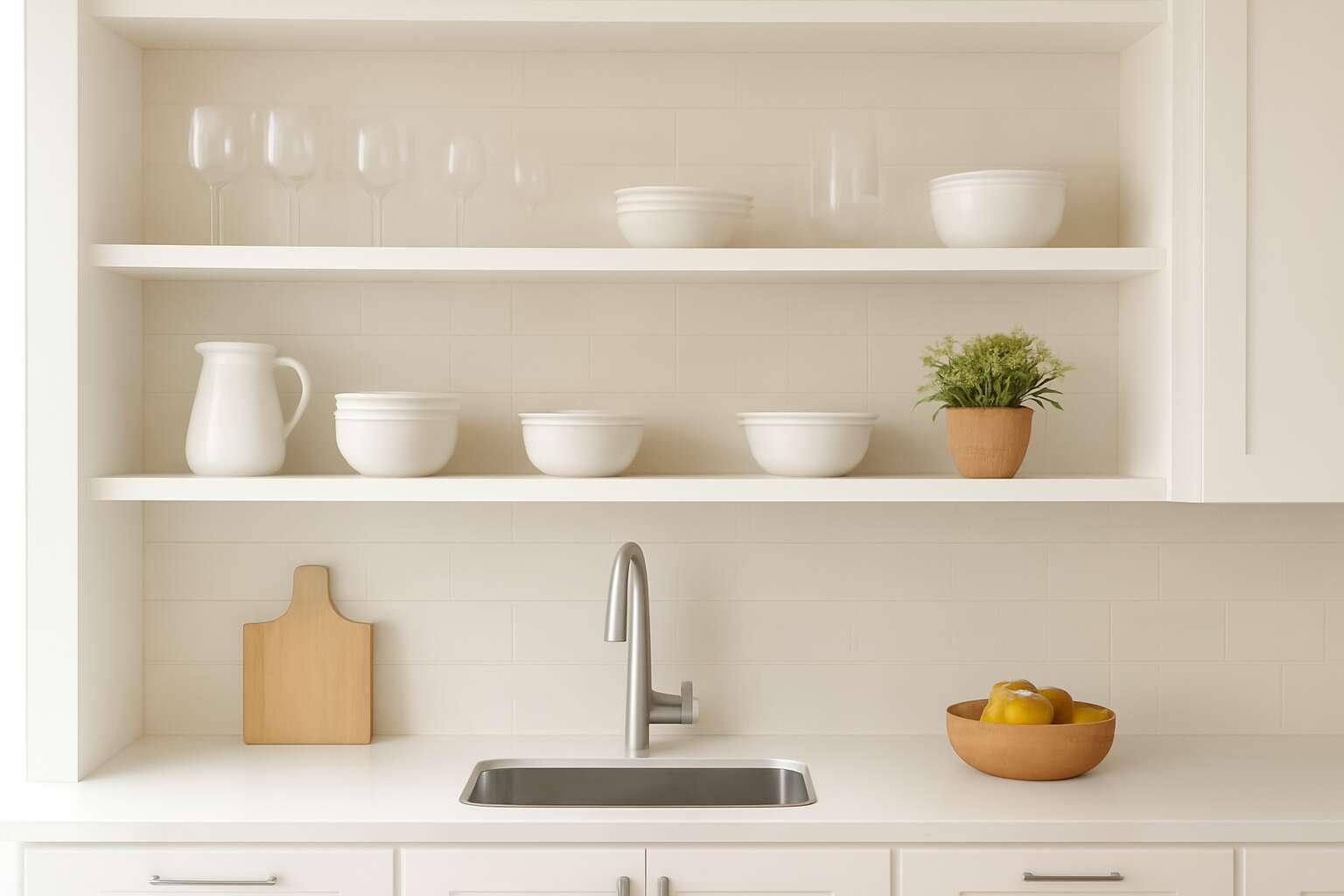
Open shelving fundamentals
Definition and scope
A gleam of possibility sits on every open shelf. In South Africa’s homes, kitchens and living rooms become stages where function dances with memory. What is open shelving? It’s a design choice that invites display and accessibility—dishes, glassware, and beloved objects step into the daily narrative rather than hide behind doors. I’ve seen this turn a compact kitchen into a stage for morning rituals!
- Lightweight materials that won’t overwhelm the space
- Accessible height for daily rituals
- Curated objects that tell a story, without clutter
Definition and scope extend beyond mere display. When you ask what is open shelving, you’re naming a framework that shifts how rooms breathe. It nudges color palettes and storage habits. In South African kitchens, it pairs practicality with poetry—think sunrise on ceramic mugs, herbs under a copper rail, and the quiet drama of negative space guiding the eye.
Key benefits and trade-offs
Open shelving is a breathing frame where function invites memory to mingle with light. To answer what is open shelving in practice, picture a wall of dishes and glass you can reach with a smile! It turns daily rituals in South Africa into a small, audible performance.
Fundamentals guide the rhythm: weight management, ergonomics, and intentional curation shape how a room breathes and moves. I’ve learned a balanced setup stays light, accessible, and narratively rich—not merely decorative shelves but active partners in daily life.
- Material choice and weight management
- Access and ergonomics for daily use
- Curating with narrative to avoid visual noise
Trade-offs arrive as whispers—more dust at exposed surfaces, the discipline of regular tidying, and the need for periodic rearrangement. Yet the glow of air, light, and accessible nourishment often outshines the friction.
Open shelving vs closed storage
Open shelving isn’t merely storage; it’s architecture for daily rituals, a frame where light catches dishware like a chorus. In Cape Town kitchens, shelves invite memory to mingle with movement and color.
The rhythm of open shelving comes from balancing heft with reach and choosing pieces that tell a quiet story. So, what is open shelving? At its core, it’s accessibility and light.
Open shelves reveal daily routines and encourage curated displays, yet they require dust control and tidying.
- Gain: quick access
- Trade-off: dust
- Best use: everyday items
South Africa’s markets offer timber, ceramic glazes, and powder-coated metals that influence weight and upkeep. The result is a wall that breathes and invites touch.
Common placement locations in kitchen bathroom and living spaces
In a world of tiles and timber, what is open shelving? It’s daylight for dishes and a stage for daily rituals—the Cape Town vibe of light catching dishware and color catching the eye.
Fundamentals hinge on accessibility and restraint: shelves must be easy to reach, yet not overwhelmed by heavy items. We balance heft with cadence, choosing pieces that age gracefully and dust sparsely—an ongoing ritual of tidying.
In South Africa, markets offer timber, ceramic glazes, and powder-coated metals that shape what you reach for and how you care for it.
Common placement locations in kitchen, bathroom and living spaces create rhythm across rooms:
- Kitchen: near the prep area for bowls, mugs and spice jars you reach daily.
- Bathroom: above the sink or alongside the vanity for towels, jars and cottons.
- Living spaces: books, ceramics and houseplants that invite touch and conversation.
Materials, finishes, and supports
Popular materials for open shelves
Open shelving speaks in shadows and light, turning bare walls into stories. What is open shelving? A deliberate choice that blends function with display, letting rooms breathe and objects tell their own narrative. In short, what is open shelving can redefine spaces.
Materials shape mood and durability. In South Africa, timber adds warmth, veneer-faced plywood keeps costs in check, and steel brackets deliver quiet strength.
- Solid timber
- Plywood with veneer
- Powder-coated steel
Finishes protect and reveal. Oils and waxes heighten grain; matte sealants cut glare, while coatings built for humidity keep shelves standing tall in coastal climates.
Supports matter as much as materials—hidden brackets, floating systems, or anchored rails distribute weight and preserve clean lines through daily use.
Finishes and color considerations
Shelves are stage and story, not mere storage. Materials shape mood and durability. In South Africa, solid timber brings warmth, veneer-faced plywood keeps costs friendly, and powder-coated steel delivers quiet strength. To answer what is open shelving, one looks to material truth—texture, weight, and how the light plays in your space?
Finishes protect and reveal. Oils heighten grain, waxes soften edges, and matte sealants cut glare, while humidity-ready coatings keep shelves standing in coastal air. When color is concerned, timber reads warm and welcoming, veneers offer flexibility, and steel brackets set a cool counterpoint!
- Oils
- Waxes
- Matte sealants
Supports matter as much as materials—hidden brackets, floating systems, or anchored rails distribute weight and preserve clean lines through daily use.
Hardware and support options
Materials shape mood and durability. In South Africa, solid timber brings warmth, veneer-faced plywood keeps costs friendly, and powder-coated steel offers quiet strength. The right mix balances weight with grain and how light travels across shelves, turning them into architectural details rather than mere storage.
If you ask what is open shelving, it’s a philosophy of transparency and texture. Finishes matter: oils heighten grain, waxes soften edges, and matte sealants cut glare, while humidity-ready coatings keep shelves standing in coastal air.
- Hidden brackets and floating systems for a seamless profile
- Anchored rails that transfer load to studs for heavier displays
- Adjustable cantilever supports to adapt shelves as needs change
Hardware and support choices set the tone as much as the materials themselves.
Weight capacity and safety guidelines
Installation planning and mounting options
A crisp question guides this segment: what is open shelving? The answer isn’t only about display—it’s a design philosophy that favors air, light, and easy access. “Open shelving is the punctuation mark of a space,” a designer notes, hinting at choices: materials and finishes.
Materials, finishes, and supports shape the look and feel. Timber brings warmth; metal adds edge; glass catches light. Finishes range from matte neutrals to natural oils that reveal grain. For supports, consider concealed brackets, cleat systems, or floating hardware—each alters weight distribution and line.
- Concealed brackets for a clean profile
- Cleat systems delivering a floating effect
- Industrial uprights for modular flexibility
Installation planning and mounting options emphasize balance between structure and space. Mind layout, clearance, and sightlines; choose between wall-mounted brackets, cleats, or freestanding units that suit South African homes while preserving a cohesive aesthetic. Thus, what is open shelving becomes balance of form and function.
Styles and design aesthetics
Minimalist and modern
Open shelving can redefine small spaces, and in South African homes the effect is striking. A recent study shows perceived space improves by up to 15% in compact kitchens when open storage replaces bulky cabinetry — what is open shelving — becomes a practical guide to a style that prizes light and air over concealment, aligning with minimalist and modern aesthetics.
- Clean lines and uncluttered displays
- Light neutrals and natural timber to soften edges
- Elegant, discreet hardware that keeps the focus on the objects
In minimalist and modern aesthetics, the display is curated, not chaotic. In practice, restraint—curation over clutter—keeps open shelving intentional in kitchens, lounges, and bathrooms alike.
Rustic and industrial
Rustic and industrial styles fuse weathered surfaces with clean lines, turning open shelving into a tactile passport for character. In South African homes, the look reads as lived-in and honest—a little rough around the edges, but that’s the point. So, what is open shelving? It’s a design choice that celebrates texture and light, letting everyday objects tell the story.
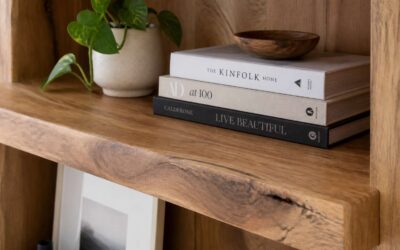
- Reclaimed timber planks with natural knots and patina
- Blackened steel brackets and riveted hardware
- Exposed joinery and imperfect edges for authenticity
- Decor that’s curated rather than cluttered
Keep finishes matte and tones earthy—charcoal, taupe, warm oak—to anchor the rugged vibe. When done well, these shelves feel sturdy, stylish, and inherently South African—perfect for kitchens, living rooms, and bathrooms that crave a bit of industrial soul without losing warmth.
Scandinavian and coastal
Across South Africa, good design feels like breathing—spaces look lighter when lightness leads the way. “Less clutter, more calm,” says a Cape Town stylist, and the result is a room that glows with quiet confidence, whether Scandinavian or coastal in mood!
In Scandinavian aesthetics, what is open shelving becomes a canvas for daylight and discipline. Pale timber, crisp white walls, and slender brackets keep essentials accessible while preserving a calm, unapologetic simplicity.
Coastal open shelving leans into sea-kissed textures and airy layouts, so shells of company and glass vessels sing in the sun. Keep the palette pale—sand, seafoam, oyster—and let natural fibers and pale timber do the heavy lifting.
- Bleached timber shelves
- Woven baskets and ceramic whites
- Sea-glass jars and tide-washed accents
Practical uses by room
Kitchen and pantry organization
A recent design survey places open shelving among the top five must-have features for new South African kitchens. For those wondering what is open shelving, it is accessibility married to aesthetics, a stage where daily rituals unfold in sunlight and color. In the kitchen and pantry, it invites everyday essentials to tell a story—taste, memory, and craft—without sacrificing order or grace.
- glass jars for dry goods
- brass canisters and metal cookware
- coffee mugs and recipe books on display
Pantry zones on open shelving transform storage into a living display, where seasonal bulk and favourd staples breathe with light. The effect is practical poetry: order without rigidity, personality without clutter, and a warm invitation that resonates from a Johannesburg apartment to a coastal Durban home.
Living room and home office display
Across South African homes, a single shelf can lift a living space. A design survey places open shelving among the top features in new interiors. What is open shelving? It’s accessibility married to aesthetics—a stage where daily rituals unfold in sunlight and color.
Living room display takes on narrative power: books, plants, family photos, and art become part of the room’s mood rather than clutter.
- Statement books and magazines
- Unfussy plants and sculptural objects
- Framed memories in a unifying palette
In the home office, shelves double as a source of inspiration and organization, keeping reference materials, prototypes, and creative prompts within reach while preserving a calm, professional atmosphere.
Bathroom and utility spaces
In South Africa, a single open shelf in a bathroom can turn a daily routine into a small ceremony of colour and order. what is open shelving in practical terms? It’s accessibility married to aesthetics, letting towels, skincare, and essentials stay within reach while keeping the space light and uncluttered.
On bathroom shelves, items come together as a display rather than a messy stash: neat towels, glass jars with cotton buds, and styled bottles that catch the light. Consider these practical placements:
- soft towels and linen in curated stacks
- cosmetics and skincare in clear, labelled containers
- soap, brushes, and everyday bath staples
- small baskets for toiletries and cleaning supplies
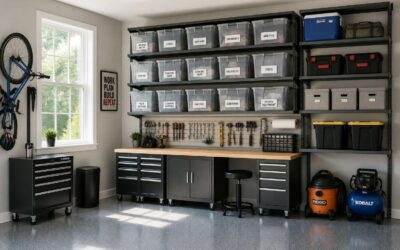
In utility spaces—sculleries, laundry nooks, or laundry cupboards—open shelving keeps detergents, brushes, and spares within reach while preserving a calm, organized feel, even in humidity.
Laundry and mudroom efficiency
In South Africa, a tidy laundry or mudroom powered by open shelving makes daily tasks feel simpler and faster. A well-organised space cuts out hunting for bottles and sponges, turning routine into symmetry. So, what is open shelving in practical terms? It’s accessibility married to aesthetics—keeping detergents, brushes, and spares within arm’s reach while staying calm and uncluttered, even in humid corners of the home. It’s simpler than you think!
In these rooms, the habit is to group items by use and keep visual order intact. Consider these practical placements:
- Detergents and fabric softeners in clear, labelled containers
- Sponges, cloths, and brushes in dedicated baskets
- Stain removers and lint rollers in small tins
- Daily-use bags, towels, and cleaning supplies on lower or middle shelves
The result is a space that breathes—efficient, easy to maintain, and ready for the day ahead.
Planning, installation, and maintenance
Measuring and layout planning
what is open shelving? It’s the art of balancing display and utility where every centimeter counts. In South African homes, light pours over timber and tile, and open shelves make kitchens and living spaces feel larger while keeping essentials within arm’s reach. A recent interior-trends survey notes 62% of SA homeowners prefer this approach for airy, approachable spaces.
Measurement and layout planning are your compass. Consider wall material, weight, and the height that invites use without crowding the room.
- wall material and structural support
- alignment with nearby surfaces
- flexibility for future rearrangement
Installation should feel effortless and sturdy; choose hardware that complements the space and respects weight distribution. Maintenance is simple: dust regularly and inspect brackets to keep the display looking deliberate!
Installation tips for different wall types
What is open shelving? It’s the art of display meeting daily use, where every centimetre counts. In South African homes, light spills over timber and tile, turning kitchens and living spaces into airy stages. Planning anchors form to function, aligning height, reach, and rhythm so shelves invite use rather than invite clutter. For those curious, what is open shelving reveals a balance of air and order.
For installation, tailor mounting to wall type—precision matters for a clean, enduring finish.
- Drywall: locate studs, use weight-rated anchors or toggles; pre-drill and level.
- Brick or masonry: drill with a masonry bit, use masonry anchors and longer screws.
- Tile: drill slowly with a carbide bit, use spacers and mount on backer board or studs if available.
Maintenance keeps the display deliberate: dust regularly, check brackets seasonally, and retighten screws to maintain even weight distribution and a calm, enduring silhouette.
Safety and load considerations
Planning for what is open shelving begins with a quiet audit of light, reach, and purpose. In South African homes, shelves become stages where every centimetre counts; aligning height and rhythm invites use and discourages clutter, turning kitchens, living spaces, and baths into airy, usable galleries.
Installation must be tailored to wall type, with emphasis on load distribution and secure anchoring. Precision matters for a clean, enduring finish that withstands daily life.
- Assess load distribution and anchor points to minimise sag
- Choose weight-rated hardware and appropriate screws for the surface
- Check alignment after installation and adjust as needed
Maintenance keeps the display deliberate: dust regularly, check brackets seasonally, and retighten screws to preserve even weight distribution and a calm silhouette.
Maintenance and long-term care
In South African homes, planning for what is open shelving begins with a quiet audit of light, reach, and purpose. You’ll discover a balance between accessibility and airiness that makes kitchens, lounges, and baths feel calmer. You’ll see centimetres count—and clutter shrink—when rhythm guides daily use.
Installation considerations require respect for wall type and load distribution. Use weight-rated brackets and appropriate screws for plaster, masonry, or timber, and verify alignment after mounting. A clean, enduring finish comes from precise anchoring and even weight spread, especially in busy SA kitchens where doors and drawers swing often.
Maintenance and long-term care keep the display deliberate. Dust regularly, check brackets seasonally, and retighten screws to preserve balance. In SA homes, humidity shifts call for annual checks—your shelves endure with quiet, timeless elegance.


0 Comments