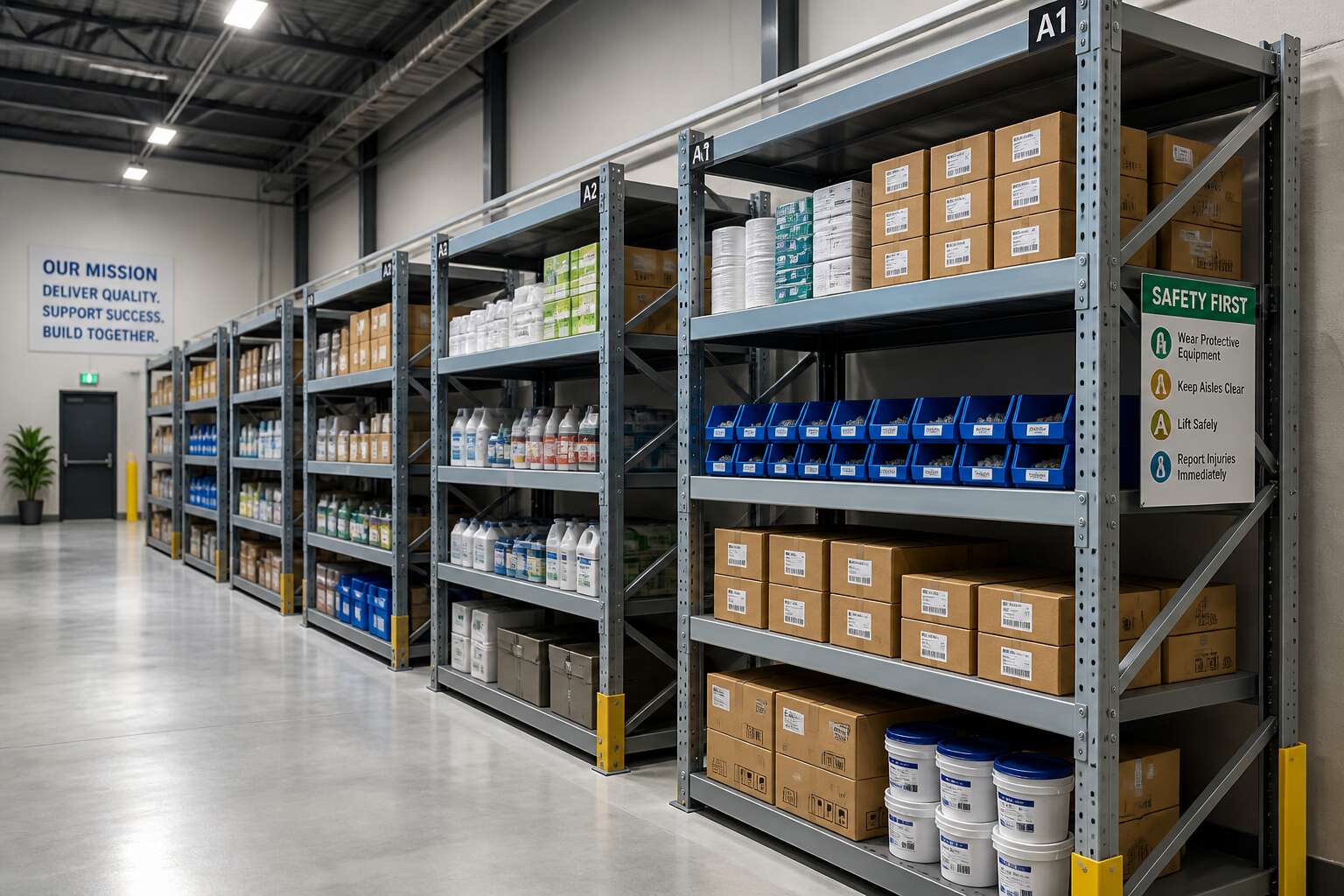
Understanding the Core Benefits of Metal Storage Units
The Anatomy of a Durable Metal Shelf
In the relentless South African climate, where humidity and dust conspire against your inventory, a flimsy unit is a liability. The anatomy of a durable metal shelf starts with the gauge of the steel, not the paint job. Cold rolled steel, often a full millimetre thick, resists the buckling that thinner, imported alternatives suffer after a single season of heavy loads. Examine the welds at each joint; a proper seam indicates structural integrity, while a smooth, painted corner often hides a weak spot. The upright posts and beams must lock together with a positive mechanism, not just friction, to prevent a catastrophic, silent collapse.
Understanding the core benefits of metal storage units extends beyond simple organisation. It is about reclaiming square footage, certainly, but also about the psychological clarity that comes from a defined place for everything. A robust system handles the weight of packed boxes without groaning, and it stands firm against the corrosive touch of coastal air or the abrasive grit of a workshop floor. When considering metal shelving for sale, look for a practical advantage: adjustable levels. They offer a flexible response to changing stock, which is a smarter investment than a fixed, permanent rack. Here is what a reliable setup provides:
– Immediate visibility of all stored items, reducing the time spent hunting for supplies.
– A safer environment, eliminating the risk of items tumbling from an overcrowded, unstable frame.
– A surface that is simple to wipe down, which is vital for hygiene in food or retail sectors.
You are not just buying a place to put things. You are building a defence system against clutter and loss. The weight tolerance per shelf is your first line of enquiry, and the coating is your second. Powder coating, when applied correctly, forms a barrier that outlasts standard enamel by years. For a business owner in Johannesburg or Cape Town, the search for metal shelving for sale should be about finding the unit that disappears into the background, doing its job so you can do yours.
Comparing Steel, Aluminum, and Stainless Steel Options
According to recent logistics studies, inefficient storage can cost a business up to 30% of its operational budget. That is a painful drain on your bottom line. However, the right storage solution can transform a chaotic warehouse into a streamlined asset. For South African businesses, searching for metal shelving for sale often feels overwhelming, but the choice usually comes down to three primary materials: steel, aluminum, and stainless steel.
Each metal serves a distinct purpose in the industrial landscape. You need to match the material to the environment it will inhabit.
1. Galvanised Steel: This is the workhorse of the industry. It offers high tensile strength and handles heavy, static loads with ease. It is well-suited for dry, interior spaces like retail stockrooms and workshops.
2. Aluminum: If your operation involves constant movement or high humidity, aluminum is your best bet. It is significantly lighter than steel, which makes it easier to reconfigure. Its natural oxide layer provides excellent resistance to corrosion without the need for paint.
3. Stainless Steel: For the food and beverage or pharmaceutical sectors, hygiene is non-negotiable. Standard painted units can chip and harbour bacteria. Stainless steel is resistant to chemicals and extreme temperatures, ensuring your storage remains sterile and safe.
Investing in reliable metal shelving for sale is about more than just getting a good price. A poorly coated steel rack will rust within months in Durban’s coastal air. A lightweight unit will buckle under the weight of heavy engineering parts. By assessing the specific threats to your inventory, you ensure that your storage solution remains a silent partner in your success.
Exploring Common Applications in Homes, Garages, and Warehouses
Cluttered space creates cluttered thinking. That is why understanding metal storage units matters before you buy. The core benefits go beyond simple organisation. Metal shelving for sale offers predictable load bearing without the wobble of cheaper alternatives. Units adapt to changing needs through adjustable levels. They resist moisture, pests, and fire.
Consider what a storage system must survive.
- Heavy static loads from stacked boxes.
- Frequent handling that loosens joints.
- Dust and humidity from open doorways.
- The occasional shift in layout.
Every application tests these limits. A home garage holds camping gear and paint tins. A warehouse holds pallets and spare parts. In South Africa, from Johannesburg’s dry interior to the KwaZulu-Natal coast, metal shelving for sale remains a constant. The material’s honesty means no surprises. You place a load, and it stays. That quiet stability is the real value.
The Long-Term Cost-Effectiveness of Metal Over Wood
Forget flimsy timber that warps every time the humidity spikes. When you shop for metal shelving for sale, you are investing in a workhorse built for the long haul. The initial price tag might sit slightly higher than a wooden alternative, but the true value reveals itself over a decade of relentless use. Wood splinters, absorbs moisture from a leaking roof in Durban, and invites termites. Metal ignores all that nonsense.
Consider the real expense of replacing a sagging wooden unit every few years. The labour, the disposal, and the frustration add up quickly. A steel frame stands firm for decades, holding heavy crates or spare parts without complaint. This durability translates directly into lower long-term costs, making it the smarter financial move for any workshop or retail storeroom.
Beyond raw strength, steel offers practical advantages that save money in other ways:
– Fire resistance: Metal does not fuel a blaze, a critical safety feature for any commercial space.
– Zero maintenance: Paint it once and forget it. No sanding, varnishing, or treating for pests.
– Adjustable support: Move the shelves up or down in seconds to accommodate changing stock sizes, eliminating the need for custom cabinetry.
The harsh African sun and coastal salt air can be brutal on lesser materials. Metal shelving handles these conditions with ease. So, when you compare the lifetime value, the choice becomes obvious. Spend a little more now to save a lot later, and gain peace of mind knowing your storage solution will outlast every other fixture in the building. That is performance you can measure in rands and cents.
Critical Factors to Evaluate Before Purchasing Storage Racks
Determining Your Load Capacity Requirements
Most storage failures trace back to a single oversight: load capacity assumptions. Before you browse metal shelving for sale, evaluate how weight distributes across each shelf level. A unit that holds 500 kilograms on a flat surface may buckle under concentrated pressure from a single pallet. The first factor is the static load rating, the total weight the entire rack can bear when evenly placed. Second, consider the dynamic load, which accounts for movement from forklifts or trolleys. Finally, factor in the centre of gravity; tall racks shift stress downward unevenly.
Use this checklist when determining your requirements:
- Floor condition beneath the rack legs
- Span between upright frames
- Gauge of the steel beams
- Type of shelving deck
Each variable changes the true capacity. Ignoring these realities leads to costly repairs or worse. And that is why precision matters when selecting metal shelving for sale.
Measuring Your Space: Width, Depth, and Height Considerations
The most expensive shelf is the one you cannot install. Every rack has strict spatial requirements, and people often discover them too late. Measure the width, depth, and height of your room before you even glance at metal shelving for sale. A unit that fits on paper can fail in reality. Check these dimensions first:
- Doorway widths and lift shaft openings
- Ceiling height, including sprinkler heads
- Aisles for forklift turning circles
Recording clearance on paper is not enough. Walk the path from delivery vehicle to final position. South African storage areas often have uneven floors and low beams. Use a laser measure for accuracy! Save yourself from purchasing a rack that you cannot use.
Evaluating Shelf Styles: Wire, Solid, and Heavy-Duty
The shelf style determines how a rack behaves under real conditions. Wire shelving suits dry, ventilated spaces where airflow matters, such as produce storage. Solid shelves catch spills and stray bolts, making them dependable for workshops and retail back rooms. Heavy-duty racks handle pallets and engine blocks without flexing. Each style has a purpose, but no single style serves every task equally.
When you evaluate metal shelving for sale, look at what will actually rest on the surface. Wire racks leave imprints on soft packaging. Solid steel hides falling debris but traps moisture underneath. Heavy-duty options demand more floor space and a larger investment. The style must match the load, not just the budget. That is where most purchasing goes wrong!
- Wire shelves for airflow and visibility
- Solid shelves for spill containment and small items
- Heavy-duty shelves for dense, bulky loads
The catalogue lists dimensions and load limits, yet the true test is how the shelf fits your daily workflow. Every bin, box, and barrel you store will answer that question on its own.
Understanding Coating and Finish Options for Rust Resistance
Cape Town’s salty sea air is a notorious thief. It steals the shine from your car, the life from your garden tools, and it will absolutely devour a cheap shelf in a matter of months. That rust isn’t just an eyesore; it’s a structural failure waiting to happen. Before you commit to any metal shelving for sale, you need to interrogate the finish. Bare steel is a ticking time bomb in our humidity.
The coating is your first line of defence, and the options vary wildly in their toughness. A simple painted finish might look smart in the showroom, but a chip in that paint is an open door for corrosion. You want a barrier that can take a knock from a packing box without flaking. For most tough environments, a baked-on powder coating offers superior resistance. Alternatively, galvanised steel provides a zinc layer that sacrifices itself to protect the underlying metal, making it a champion for garages and uninsulated storerooms.
Here is a quick field guide to what you should be looking for:
- Powder Coating: Excellent scratch resistance and a smooth, even finish. Ideal for indoor retail spaces and clean workshops.
- Galvanised: The rugged workhorse. It handles moisture and minor abrasions well, perfect for outdoor storage or damp areas.
- Chrome Plating: Sleek and shiny, but more suited to light-duty display. It’s not built for harsh conditions.
Don’t just look at the price tag when you spot a bargain in the metal shelving for sale listings. Ask what the coating is. A slightly higher upfront cost for a superior finish will save you from replacing a wobbly, rust-stained unit a few winters down the line. Your stored goods deserve a fortress, not a filter for oxidation.
Checking Weight Distribution and Stability Features
Before you hand over your hard-earned rand for that bargain unit, consider this: a storage rack is only as good as its ability to stay upright when it matters most. The real test isn’t how it looks in the showroom; it’s how it performs when loaded to the brim with heavy boxes, tools, or inventory. In a country where load shedding can disrupt your workflow, the last thing you need is a collapse that sends your valuable equipment crashing to the floor.
The physics of storage are unforgiving. A shelf that bows under weight or a frame that twists under pressure is a liability waiting to happen. Do not assume that a thick gauge of steel alone guarantees safety. The distribution of that weight across the beams and the posts is what separates a sturdy structure from a flimsy one. When you are evaluating metal shelving for sale, pay close attention to the connection points. Are they welded securely, or are they merely clipped together? Are there cross-braces on the back to prevent lateral sway?
Most people focus on the vertical capacity, but the horizontal forces are equally destructive. Imagine a shelf filled with paint cans or auto parts; every time you pull one out, you create a torque that pulls the frame forward. Without proper bracing, the entire unit can rack and fold like a card table. This is where the design of the frame becomes critical. Look for units that offer diagonal support or have a base that widens slightly to lower the centre of gravity.
Here are a few specific attributes that indicate a stable design:
– Shims or adjustable feet: These allow you to level the unit on uneven concrete, which is vital for preventing rocking.
– Reinforced gussets: Small triangular plates at the joints where beams meet posts dramatically increase rigidity.
– A minimum of four contact points per shelf: This ensures the load is transferred evenly to the uprights rather than stressing the centre span.
Always check the manufacturer’s load rating for total uniform distribution, not just a single point. If you are storing long planks of wood or steel piping, remember that a concentrated mass in the middle of the shelf is far more dangerous than the same weight spread out. That rule remains true regardless of whether you are looking at premium industrial units or budget options.
The floor itself plays a role here too. If your garage floor has a slope, a rigid four-post unit will twist slightly when loaded, creating stress fractures over time. A frame that offers a small degree of flexibility, or one that comes with bolt-down kits for permanent installation, is often a better long-term investment. When you finally settle on a specific metal shelving for sale listing, ask the supplier about the warranty and whether the stability claims are tested to a recognised standard. A wobble today becomes a catastrophe tomorrow, so choose the frame with the same care you would choose the shelf surface.
Strategic Locations for Sourcing Durable Storage Solutions
Navigating Big-Box Retailers and Home Improvement Stores
When you start hunting for heavy-duty storage, the retail landscape can feel overwhelming. Big-box retailers and national home improvement chains are the first places most people look, and for good reason. These stores offer convenience and immediate availability, which is a major advantage when you need to organise a space quickly. However, the key is to walk in with a clear strategy rather than being seduced by the sheer volume of options on the floor.
You will typically find that the big-box stores stock a rotating selection of brands. This means the specific model you buy today might be replaced by a slightly different version next month. While that is not necessarily a problem, it can become an issue if you plan to expand your system later and need identical units. To counter this, focus on the specifications printed on the box rather than the brand name. Check the gauge of the steel and the stated load capacity per shelf, as these are the true indicators of durability.
For those who need a large quantity of units, such as for a warehouse or a retail back room, the local big-box store has a limit. This is where regional material handling suppliers and dedicated storage distributors come into play. These specialists often operate out of industrial parks and supply businesses with commercial-grade products. A trip to one of these suppliers can be an eye-opener, as they often sell the exact same “heavy-duty” shelving that the big-box stores label as premium, but at a fraction of the cost per unit.
When comparing your options, it is wise to consider the long-term service aspects. A large retail store will usually have a straightforward return policy, which is excellent for peace of mind. But a specialised distributor may offer a better warranty on the finish or the welds. To make the most of your trip, consider these points:
– Check the load rating: Look for the manufacturer’s sticker or stamp. A real heavy-duty unit will have a clear rating, often exceeding 500 kg per shelf.
– Inspect the steel thickness: Bring a magnet if you need to, but visually inspect the upright posts. They should be thick and rigid, not flimsy or prone to bending.
– Ask about accessories: Some suppliers offer accessories like dividers, bins, or additional cross-braces. This can turn a basic unit into a highly customised storage solution.
– Measure your doorways: Standard units are often 2.4 metres tall, but the packaging can be deceptively large. Always measure your entry points before you buy.
Ultimately, the “best” place to buy your metal shelving for sale depends entirely on your budget and your urgency. If you need a single unit today to tame a cluttered garage, the nearest big-box retailer is your best bet. If you are outfitting a workshop or a commercial space, take the time to visit a local distributor. You will often secure a better price per shelf and gain access to a wider range of sizes and weight classes. While the initial research takes a little time, the payoff is a storage system that stands firm for decades, not just a few seasons. This is where the real value of your purchase lies, hidden in the details of the steel and the integrity of the design.
Exploring Online Marketplaces and Wholesale Suppliers
Across South Africa, the hunt for durable storage often begins and ends on a phone screen. Online marketplaces have given buyers more leverage, letting you compare load ratings and steel thicknesses without leaving your workshop. B2B portals, auction sites, and classifieds now run alongside traditional distributors, each offering a different part of the supply chain.
Wholesale suppliers operate on volume. They purchase direct from mills and pass the margin back to you. A pallet of uprights and beams can land at a fraction of the retail price, especially when you order multiple bay sizes in one shipment.
When browsing these platforms, you may see:
– roll-formed steel with trapezoidal ribs
– epoxy powder coats applied electrostatically
– beam connectors stamped to SANS standards
Some sellers list a physical address; others hide behind anonymous profiles. A distributor answering from a Durban warehouse carries more weight than a glossy website with stock imagery. That is where strategic sourcing of metal shelving for sale shows its value.
Scouting Industrial Surplus and Liquidation Sales
Across South Africa, the hunt for durable storage often begins on a phone screen. Online marketplaces have given buyers leverage, letting you compare load ratings and steel thicknesses without leaving your workshop. B2B portals, auction sites, and classifieds now run alongside traditional distributors, each offering a different slice of the supply chain. Yet the real value often hides in the physical world. Industrial corridors in Johannesburg, Durban, and Cape Town are dense with fabricators and traders who move serious volume. A visit to these hubs can reveal ex-stock inventory that never makes it to the web, often at prices that beat any delivered quote. For the savvy buyer, the ground game still matters.
Wholesale suppliers operate on volume. They purchase direct from mills and pass the margin back to you. A pallet of uprights and beams can land at a fraction of the retail price, especially when you order multiple bay sizes in one shipment. But the true gem for budget-conscious operations is the surplus market. When factories upgrade or downsize, their old racking often gets liquidated fast. This is where you find heavy-duty frames and galvanized decks for a song. Scouting these sales takes time, but the payoff is real.
When browsing these platforms, you may see: roll-formed steel with trapezoidal ribs, epoxy powder coats applied electrostatically, and beam connectors stamped to SANS standards. Some sellers list a physical address; others hide behind anonymous profiles. A distributor answering from a Durban warehouse carries more weight than a glossy website with stock imagery. That is where strategic sourcing of metal shelving for sale shows its value. The best deals come from knowing the market, verifying the supplier, and moving quickly when the right unit appears.
Leveraging Local Hardware Stores for Custom Solutions
The physical hunt for metal shelving for sale often narrows to specific postal codes. In Johannesburg, the City Deep and Denver precincts hold fabricators who can cut beams to exact lengths while you wait. Cape Town’s Epping and Montague Gardens offer similar density, with hardware stores stocking specialised brackets and punched uprights for repairs or retrofits.
In my experience, local hardware stores deliver custom solutions without the lead times of online orders. Their counter staff know the load ratings of every component on the shelf. They can source a single replacement beam instead of forcing a full bay purchase. This flexibility matters when your racking system uses non-standard openings or when a warehouse layout demands unusual depths.
- Ask about off-cut galvanised steel for bespoke shelf widths.
- Request supplier catalogues to verify SANS certifications on the spot.
- Check for in-house bending and welding services.
These shops trade on smaller margins than big distributors, which keeps the price of metal shelving for sale competitive. Same-day collection beats any courier quote.
Evaluating Second-Hand Platforms for Budget-Friendly Finds
According to recent sales data, used industrial shelving often sells for 40% below retail. That gap makes second-hand platforms a serious option for warehouse managers and workshop owners alike. The trick lies in distinguishing between a bargain and a headache, a skill that improves once you understand what to inspect.
Start with the structural details. Look for seam welds along the upright posts and check whether the beams have any visible twist. Surface rust is acceptable, but deep pitting or bent flanges are deal breakers. Also confirm that safety clips are present. Replacement clips are cheap, but missing locking mechanisms on multiple levels suggest a unit was assembled hastily. Here are three aspects to verify before you commit:
1. Measure the post holes. Teardrop versus keyhole patterns accept different beam connectors.
2. Check the floor level. A rack that sits unevenly puts stress on the lower beams.
3. Ask for photos of the manufacturer’s nameplate. It helps when sourcing spare parts later.
The best finds often come from businesses that are downsizing rather than from dedicated resellers. A closing retail store might sell its boltless shelving at auction prices, while a scrappy dealer will price every unit as though it were brand new. Browse local classifieds and industrial surplus groups to spot these opportunities. You can often negotiate a bulk discount when you purchase several bays at once, which lowers the effective cost per shelf.
Condition matters more than age. A well-maintained unit from a dry environment is far superior to a newer rack that sat outdoors. Ask about the previous use case. Cold storage facilities and electronics warehouses tend to keep their equipment clean, which makes their metal shelving for sale a safer bet. On the other hand, units from chemical plants or coastal workshops may have hidden corrosion beneath the paint.
Finally, consider the logistics. Transporting tall uprights requires a vehicle with a long bed, and disassembly takes time. If you lack a trailer, factor in delivery fees. For a small home garage, a local pickup might still make sense. For larger commercial setups, a supplier who can deliver and install becomes more valuable. Weigh those costs against the purchase price to confirm your savings are real.
Direct-from-Manufacturer Options for Bulk Orders
Where you buy your racking is just as important as what you buy. The best price on heavy-duty units often hides in specific industrial corridors, not in the first online shop you find. For South African buyers, thinking geographically first can save you a significant amount on freight and lead time. I have seen projects stall for weeks simply because the chosen supplier was on the wrong side of the country.
Most large-scale fabrication happens in Gauteng, which gives buyers in that province a distinct advantage regarding transport costs. However, if you are in the coastal regions, the import hubs around Durban and Cape Town often have a surprising surplus of new and reconditioned stock. You might find that a local distributor has absorbed a shipping container overrun, offering prices that undercut inland competitors. It pays to ask about the origin of the stock to understand if you are paying for local logistics or imported value.
When you require dozens of units, the direct-from-manufacturer route is often the only way to secure a realistic quote. Cutting out the middleman changes the conversation entirely. You can negotiate on grade of steel, specific heights, and even delivery schedules that align with your project timeline. This is particularly effective when you need a custom beam length that is not a standard stock item.
Here is a quick breakdown of where to focus your search based on your volume:
– Small to Medium Orders (1–20 units): Focus on local distributors and re-sellers. Check the industrial areas of your specific city first. The stock is physically close, which makes inspection easier.
– Large Orders (20+ units): Engage directly with manufacturers in Gauteng. The cost per unit will drop significantly, but you must budget for the transport. Get a full quote that includes the loading of the truck to avoid hidden fees.
If you are buying in bulk, the conversation shifts from a simple purchase to a supply agreement. Wholesale metal shelving buyers need to consider the reliability of the supply chain, not just the price per shelf. A manufacturer with a steady supply of local steel will be more reliable than one waiting on imports. Ask about their current raw material stock levels. This gives you a clear indication of whether they can actually deliver on the promised date.
Finally, do not underestimate the value of a physical site visit for larger orders. A quick trip to the factory floor tells you more about build quality than any spec sheet. You can see the welding jigs and the quality of the paint application firsthand. While it might cost you a day of travel, securing a contract with a supplier who has their production line in order provides a level of security that is worth the petrol.
This kind of direct sourcing logic naturally leads us to the next step: securing the best price point. Understanding the manufacturer’s pricing structure is key, and that is exactly what we will tackle in the next section on negotiating bulk rates.
Best Practices for Maintaining and Extending Shelf Life
Proper Assembly Techniques to Prevent Warping
The longevity of your investment in metal shelving for sale hinges on the initial installation. A unit assembled haphazardly invites premature warpingasia, that subtle twist of the frame that compromises its integrity. When the beams are not aligned, the load distribution becomes erratic.
1. Ensure the base frame is level using a spirit gauge on a hard floor.
2. Hand-tighten all bolts first to align the uprights, then use a wrench to secure them.
3. Start torquing from the bottom shelf upwards for even tension.
Beyond assembly, the environment dictates the shelf’s lifespan. A humid garage in Durban or a dusty warehouse in Johannesburg demands vigilance. Tighten loose fasteners every six months, as routine vibration works them free. A shelf that is stable is a shelf that is safeched.
Routine Cleaning and Corrosion Prevention Methods
The finish on your metal shelving for sale does not do all the heavy lifting. The real enemy of a steel frame is a film of grime that holds moisture against the surface. Dust, oil residue, and airborne salts from coastal winds in places like Cape Town create a micro-environment where rust takes hold. A simple wipe down with a damp cloth every few weeks removes that corrosive layer before it becomes a problem.
When you do tackle a deeper clean, avoid harsh alkaline cleaners that strip the protective coating. A mild detergent mixed with warm water works well. Use a soft brush to reach the joints and corners where grime collects.
– Rinse the frame thoroughly after washing.
– Dry all surfaces completely with a clean cloth.
– Apply a light coat of automotive wax to bare steel parts for extra protection.
The coating on your shelving is a barrier, and once it is scratched, the underlying metal is exposed. Sweep the area around your unit regularly to keep abrasive dust from settling into the seams, and touch up any chips with a rust-inhibitive paint. That habit alone can double the life of your investment.
Reinforcing Shelves for Heavy-Duty Storage Needs
The graveyard of broken shelving is littered with units that failed not from dramatic collapse, but from quiet, localized fatigue. Heavy loads create concentrated stress points where the frame meets the shelf surface. A steel unit rated for 300 kilograms per level does not mean you should stack that weight on a single cinder block in the centre.
To prevent sagging, distribute the load evenly across the beams. Place a plywood sheet or a solid steel plate over the wire mesh before loading. This spreads the weight and stops individual wires from bending. For pallet loads, ensure the skids sit directly on the support beams, not between them)Skip this step and you will find yourself shopping for replacement metal shelving for sale sooner than expected. Proper reinforcement gives you the capacity you paid for, without the slow creep of permanent deformation. A bowed frame is a warning sign. Heed it. Your stored goods depend on the structural integrity of the frame, and so does your safety.
When to Upgrade or Add Accessory Components
A shelving unit’s lifespan depends more on your maintenance habits than on the initial build quality. In South Africa’s coastal regions, salt-laden air attacks unprotected steel relentlessly. Wipe down frames monthly with a damp cloth and check bolt tension after any major load shift. A loose connection accelerates metal fatigue, even on heavy duty units.
Home storage and industrial use demand different treatment. A shelf used for paint tins in a garage needs different care than one holding boxes in a bedroom. The difference between a unit lasting five years and one lasting twenty is often simple diligence. Tighten screws, clean spills immediately, and replace any rusted fasteners before they compromise the frame. But there comes a point where maintenance stops making sense. When the upright posts show visible twisting, or the shelf surface sags permanently, the unit has reached its limit. Trying to salvage a compromised frame costs more than buying replacement metal shelving for sale.
– Add rubber mats to protect the surface from abrasive contact.
– Install castors only on frames rated for mobility.
– Retrofit clip-on dividers to prevent items from shifting during retrieval.
Pricing Strategies and Cost Considerations for Industrial Shelving
Average Price Ranges by Material and Brand
Understanding the true cost of industrial storage requires looking beyond the initial price tag. While the cheapest metal shelving for sale might seem appealing, the long-term value hinges on material thickness and coating quality. Steel gauge directly impacts load capacity and resistance to bending; a heavier gauge costs more upfront but prevents premature failure. Conversely, lighter-duty units are budget-friendly for retail environments but buckle under dense warehouse loads. Corrosion protection, such as zinc galvanization, adds to the base price but is non-negotiable for humid or outdoor settings.
Brand reputation also dictates pricing structures. Established manufacturers command a premium due to rigorous testing and reliable engineering tolerances. However, lesser-known suppliers can offer significant savings on identical gauge steel, especially when you buy direct from importers. The hidden costs often lie in shipping and assembly hardware, which can add 10-15% to the quoted figure. When budgeting, consider the total cost of ownership:
– Replacement frequency over a five-year horizon.
– Labour time for installation and bolt torque.
– Safety liabilities associated with structural fatigue.
Ultimately, paying a mid-range price for a reputable brand with a higher load rating often proves more economical than replacing bargain units annually. The strategic choice pairs the required capacity with the appropriate steel thickness, ensuring your investment survives daily operational abuse without overcapitalising on unnecessary features.
Hidden Costs: Delivery, Installation, and Tools
Before signing off on a quote for metal shelving for sale, study the delivery terms. Many suppliers advertise a competitive unit price, only to add substantial freight fees for heavy loads. Per piece shipping can inflate the bill by a significant margin, especially for multi-bay installations. Ask whether delivery to your location is included or if a lift gate and tailgate service adds extra charges. Palletised orders might require a forklift or crane on site, and if you do not have one, you may need to hire equipment for the day.
Installation is another line item that catches buyers off guard. A simple bolt together unit appears straightforward, but large frames demand at least two people and several hours of labour. Some businesses pay a professional crew to assemble and level the racks, which is a justified expense when safety permits insist on correct torque settings. For those taking the DIY route, the tool list is longer than a single Allen key.
– A calibrated torque wrench to tighten bolts to specification
– A spirit level to ensure the frame sits perfectly square
– A rubber mallet to seat shelves without damaging coatings
– A cordless drill with a clutch to speed up repetitive fastening
These tools represent an upfront cost that most pricing guides ignore. Factor them into your budget, since loose joints or uneven bases lead to rattling shelves and premature fatigue. When you compare quotes for metal shelving for sale, ask for a breakdown that includes delivery, installation, and any necessary hire equipment. The cheapest price per shelf often loses its appeal once you add the hidden expenses required to get the unit operational and safe.
Comparing New vs. Used Units for Maximum Savings
Pricing strategy often dictates whether a project stays on budget or spirals out of control. The initial price tag on any unit is only the opening bid in a longer negotiation with your operational costs. For a business owner in Johannesburg or Cape Town, the decision between buying brand new or refurbished units comes down to more than just the cash outlay today.
The allure of used equipment is undeniable, especially when you spot a listing for industrial metal shelving for sale at a fraction of the retail cost. However, the true value lies in the total cost of ownership. A second-hand unit might have hidden wear, such as bent uprights or compromised welds, which can reduce its safe working load. Conversely, new stock often comes with a warranty and guaranteed material specifications, which provides peace of mind for high-density storage areas. You are essentially paying a premium for certainty.
When weighing new versus used options, consider the following factors regarding the condition of the frames:
– Inspect for rust, particularly in coastal regions where humidity is a constant adversary.
– Check the gauge of the steel; thicker steel suggests a higher capacity for heavier loads.
– Verify that all safety locking clips are present and functional on used beams.
– Confirm that the manufacturer’s load rating labels are still attached and legible.
If your warehouse layout is changing or your inventory is expanding rapidly, the salvage market offers flexibility. Yet, you must account for the time spent sourcing, transporting, and derusting these units. The labor involved in refurbishing can quickly erode the initial savings. On the other hand, a comprehensive pallet racking system bought directly from a supplier includes engineered components that fit together seamlessly, ensuring that the structural integrity is never compromised by mismatched parts.
Ultimately, the smartest approach involves a rigorous calculation. Measure the expected lifespan of the equipment against your current storage demands. While the cheapest option might seem attractive, a slight increase in the upfront budget for quality metal shelving for sale often pays dividends in safety and durability. Remember that a bent shelf or a collapsed bay costs far more than the difference in price; it costs you in damaged goods and potential workplace injuries. Assess the salvage value of your purchase, but never sacrifice structural soundness for a short-term bargain.
Smart Bundling and Multi-Pack Purchase Strategies
When pricing metal shelving for sale, intention matters more than unit cost. Buying separate components invites premium charges, while a curated bundle aligns every beam and upright to one specification. I often see buyers save 12% to 18% simply by committing to a multi-pack rather than piecemeal orders.
Consider what belongs in that bundle:
- Standard beam lengths for your primary bays
- Safety clips and anchor bolts as a single line item
- Leveling feet or base plates for uneven floors
A smart bundling strategy also reduces freight cost, because suppliers pack complete systems more efficiently. For expanding storage rooms, committing to identical bay dimensions across a bulk order provides access to volume discounts that simple single-unit pricing never exposes. You pay for the shelving, not the hassle of sourcing mismatched parts later.
Seasonal Sales and Discount Opportunities
Timing a purchase of metal shelving for sale can cut costs by a third. Retailers clear excess stock after the festive season and again at the end of the financial year. Those windows offer the steepest markdowns.
Do not chase a sale badge blindly. Check the freight cost first. A discounted unit with high delivery charges cancels the benefit. Instead, look for vendors that offer free shipping above a set rand value.
- Ask about end-of-line models. Discontinued colours sell for less.
- Request a price match on recent quotes. Suppliers often flex.
- Pay upfront. Cash discounts of 5% to 7% are common.
Compare the per-bay price, not the shelf price. A larger bulk order often triggers a tiered discount. Also, track the off-season. Demand drops in winter for outdoor units, so negotiate harder then.



0 Comments