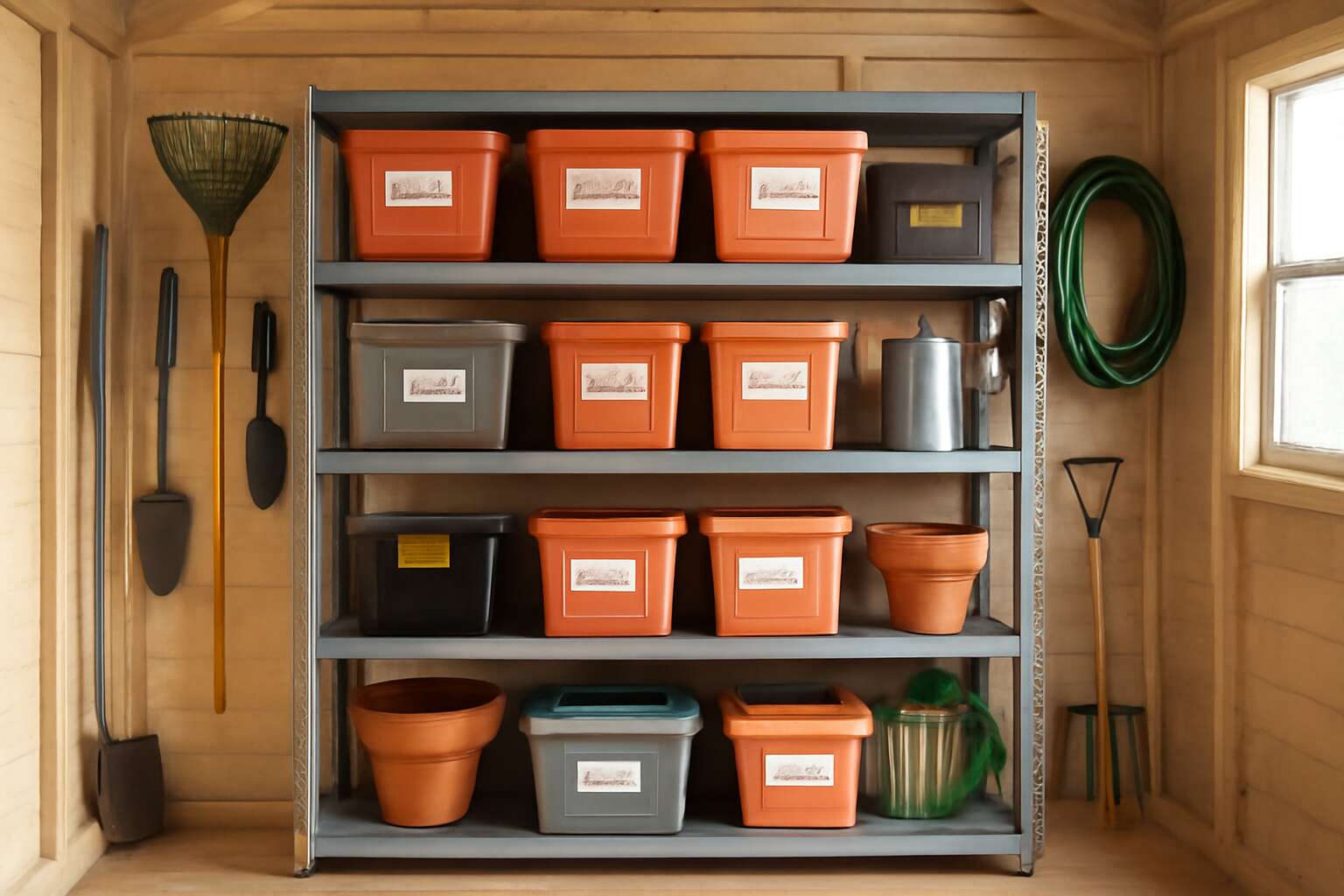
Shed Racking Fundamentals
Key Benefits of Shed Racking
A striking statistic from local households hints that clutter can swallow nearly half of a shed’s usable floor space. I’ve seen sheds transform when a simple choice is made—racking for shed turns chaos into order, one shelf at a time!
Fundamentals center on strength, adjustability, and materials suited to South Africa’s climate. Look for solid steel uprights, corrosion-resistant finishes, and flexible heights that let you tailor shelves to the size of your tools and seasonal gear. The right layout distributes weight evenly, keeps ladders and power tools reachable, and reduces the risk of slips or collapses.
- Space optimization and tidy workflows
- Safety through stable, accessible storage
- Longevity with robust finishes and modular design
Beyond function, the system should harmonize with the shed’s footprint, turning walls into allies rather than afterthoughts.
Common Materials Used
Recent local surveys show clutter can swallow nearly half of a shed’s usable floor space, a stark reminder of what we carry in our spaces. In this context, racking for shed becomes more than hardware—it becomes a way I hear the space reclaim air and intention. In SA, climate demands materials that endure sun, rain, and heat without warping. The fundamentals lean on strength, adjustability, and corrosion-resistant finishes.
Common materials used balance weight with longevity.
- Solid steel uprights with powder-coated or epoxy finishes
- Galvanised steel for rust resistance in damp spots
- Aluminium or stainless components for lighter, flexible layouts
Ultimately, the choice shapes daily flow—turning a cramped corner into a confident corridor of tools and seasonal gear.
Understanding Load Capacity
Capacity in racking for shed isn’t a brand badge; it’s a practical ceiling that keeps tools from becoming a hazard. A sensible framework considers how weight stacks, how shelves distribute it, and how the unit sits on a solid floor—and how that translates to daily reliability.
- Uniform load distribution across each shelf to avoid point stress
- Clear per-shelf limits and total system capacity
- Bracing, anchoring, and floor fixity for stability
- Allowance for dynamic loads from movement and retrieval
With those factors, the space stays orderly rather than collapsing into clutter. The right approach respects the shed’s geometry and the way we actually use it.
Measuring Your Shed for Racking
Across every South African shed, a hidden geometry waits to be found. A recent survey shows 60% of sheds waste space due to poor measurement. A precise measurement can turn clutter into order, and tools into a routine I can trust. When planning racking for shed, the shape of walls, floor spans, and doorways dictate what the racks will bear and how the space will breathe. Measurement becomes a map, not a constraint.
Consider these notes as you study the shed’s frame:
- Floor plan and overall footprint shape
- Vertical clearance and doorway outlines
- Floor flatness and anchor points for stability
To me, measurement is the quiet magic behind every tidy aisle and safe retrieval. It shapes how we move with our tools and how a humble shed earns its keep—especially when we think in terms of racking for shed.
Design and Planning for Shed Storage Racks
Assessing Space and Access
In SA, a tidy shed is a productivity hack. Studies suggest up to 40% of shed space goes unused, which is why design and planning for shed storage racks matters. Focus on how you move through the space, not just what you store—delivering smooth access for the tools you actually use. racking for shed
Assessing Space and Access means testing routes, not counting shelves. Think footprint, door swing, and height—vertical storage can reclaim precious air around your rake. The plan should keep clear lanes for bulky items.
- Door swing clearance and rack footprint
- Ceiling height and vertical storage options
- Lighting, power access, and ease of maintenance
With that groundwork, racking for shed becomes a disciplined system rather than a chaotic cornucopia of odds and ends. It signals improved workflow, climate-conscious organization, and smarter use of budget and space in South Africa.
Choosing Rack Styles for Sheds
Forty percent of shed space sits idle, a statistic that keeps nagging at me. Design and planning for shed storage racks is more than stacking shelves; it’s crafting a workflow. In racking for shed, we seek airflow, easy access, and a clear path for the tools you actually reach every day. The right rack style respects footprint, door swing, and ceiling height, and stands up to SA sun and humidity with durable finishes. It’s about moving through the space with intention, not simply filling it.
Choosing Rack Styles for Sheds is a study in modularity and longevity. Smart racking for shed design harmonizes budget with durability. Here are practical options:
- Adjustable shelving that grows with your gear
- Wall-mounted systems and pegboard for small parts
- Cantilever or free-standing racks for rakes, shovels, and long-handled items
Weight Distribution and Safety
Across South Africa’s sun-drenched sheds, up to a third of floor space bears the burden of uneven weight—a quiet, costly imbalance. Design and planning for shed storage racks weight distribution and safety shape the choreography of daily work. racking for shed is not just shelving; it is an arrangement that respects gravity, breathes through air flow, and invites confidence under every rack.
- Balanced weight distribution across shelves and racks
- Robust anchoring to floor and studs
- Clear circulation paths for everyday tasks
By imagining line, load, and leg at the moment you reach for a rake, you craft a system that stays true under heat and humidity. The right balance supports long-term durability and keeps tools within easy reach without compromising pedestrian flow. racking for shed becomes a conversation between form and function, where safety and elegance share the same stage.
Budgeting and Timeline
Space is a silent negotiator in a shed. When we design racking for shed, we listen for its quiet demands—clean sightlines, air flow, and a rhythm that keeps tools within reach. In South Africa, hurried planning wastes floor space; a patient blueprint turns loss into ease.
Design and planning begin with intent, not impulse. Picture line, load, and leg—how a rake travels from shelf to cart while pedestrians move freely. Budgeting and a realistic timeline anchor the project, balancing quality with pace and leaving space for change.
- Material quality vs cost
- Lead times and supplier availability
- Future adaptability
Timeline and budget are not bare figures but a narrative of growth. Racking for shed becomes a shared horizon where items find homes, air remains forgiving, and space breathes with character as the day unfolds.
Materials, Standards, and Safety
Materials and Corrosion Resistance
Storms sweep across coastal and inland SA, turning sheds into quiet sentinels. A recent survey found that 37% of sheds show rust or sag within five years, unless their racking for shed is forged to endure.
Materials chosen matter: galvanised steel, stainless steel, and powder-coated frames stand up to moisture and salt; aluminum offers lightness; coatings seal joints against creeping corrosion.
Standards and safety: reputable suppliers align with SABS guidelines and global norms, ensuring tested hardware and safe load retention.
- Galvanised or stainless steel components
- Powder-coated finishes for UV, moisture and corrosion resistance
- Non-slip fasteners and reinforced joints
Corrosion resistance is a quiet shield; choose corrosion-resistant finishes, inspect seals, and trust in well-braced systems to keep racking for shed upright and useful through seasons.
Standards and Compliance
Across SA, 37% of sheds show rust or sag within five years unless their racking for shed is forged to endure. Materials chosen become the firewall against creeping corrosion—galvanised steel, stainless steel, and powder-coated frames stand tall, while aluminium lends lightness and nimble flexibility. Coatings seal joints against moisture and salt, turning fragile structures into steadfast citadels ready for the seasons.
- Galvanised or stainless steel components
- Powder-coated finishes for UV, moisture and corrosion resistance
- Non-slip fasteners and reinforced joints
Standards and safety rise like a guardian’s oath. Reputable suppliers align with SABS guidelines and global norms, ensuring tested hardware and safe load retention across environments.
Corrosion resistance is a quiet shield; choose finishes that deter creeping rust, seal joints, and trust in well-braced systems to keep the assembly upright and useful through the long South African seasons.
Safety Features and Safe Use
In South Africa, racking for shed is more than storage—it’s a quiet engine of resilience. Sturdy galvanised or stainless steel frames, powder-coated shells, and lightweight aluminium blend durability with space to breathe. Coatings seal joints against moisture and salt, turning bolts into steadfast anchors between tools and the seasons. This is racking for shed that stays ready year-round.
Standards and safety guardrails come from SABS guidelines and global norms, ensuring tested hardware and safe load retention across environments. Choose systems braced and documented for your climate; finishes deter creeping rust and protect connections, preserving the rack’s integrity.
- Non-slip fasteners and reinforced joints
- Corrosion-resistant finishes
- Proper anchoring and load distribution
Safe use becomes daily enchantment: inspect, maintain, and respect weight limits; anchor to solid walls and keep aisles clear for racking for shed.
Installation Tools and Preparations
Strong frames keep more than shelves; they keep sanity. In SA sheds, a well-chosen rack turns stormy weather into a reason to smile. That punchy truth anchors this section on materials, standards, and the careful prep that makes racking for shed durable.
Materials begin with rot-resistant frames—galvanised or stainless steel—that shrug off moisture, paired with powder-coated shells or lightweight aluminium for breathability. In South Africa, standards matter: seek SABS-aligned hardware and proven finishes that deter rust and protect joints across seasons.
- Torque wrench
- Level
- Drill with masonry bit
- Concrete anchors
Safety installation starts with proper tools and a plan. Gather a level, a drill with the right bit, a torque wrench for precise tightening, and reliable anchors. Prepare the site by checking wall substrates and clearing debris; mark lines so mounting is true.
Maintenance and Longevity
Materials begin with rot-resistant frames—galvanised or stainless steel—that shrug off moisture, paired with powder-coated shells or lightweight aluminium for breathability. For racking for shed in SA, hardy construction defeats damp and sun, while clever junctions resist fatigue between seasons.
Standards and finishes matter: seek SABS-aligned hardware and proven coatings that deter rust and protect joints across the year. Look for corrosion-resistant seals and compatible fasteners that endure coastal breezes or inland heat without surrender.
Safety maintenance and longevity hinge on quiet, ongoing care. Gentle cleaning, periodic checks for twists and loosened fittings, and timely replacement of worn parts keep the system dependable. In our climate, vigilance is a companion to durability, ensuring racking remains steadfast through many storms.
Installation and Maintenance of Shed Racks
Temporary vs Permanent Fixings
In SA backyards, up to 30% of shed space can be wasted without smart racking for shed. A tidy layout unlocks floor real estate and keeps tools in reach—no more hunting for the tape measure at midnight. Installation choices set the tone for longevity and safety.
Temporary fixings offer flexibility for seasonal reconfigurations, while permanent fixings deliver rock-solid stability for long-term use. For shed configurations, weigh load expectations, wall type, and how often you expect to move things.
- Temporary fixings: flexible, light loads
- Permanent fixings: durable, high loads
- Professional assessment: ensures compatibility with SA standards
Maintenance and longevity come from regular checks and a little rust-ravaging attention. Look for corrosion, loosened connections, and misalignment; SA climates reward protective coatings and timely service from a trusted pro.
Step-by-step Installation Checklist
In the hush before metal gains its final shape, installation for racking for shed begins where the floor meets the future. A clear plan and faithful tools turn chaos into order, and the night itself seems to hold its breath as lines align. In South Africa, a level frame anchored with proper fixings becomes the quiet backbone of work that endures.
- Survey site; clear space; ensure a level base.
- Assemble frames; check alignment and wall compatibility.
- Choose corrosion-resistant fixings suited to SA climate.
- Level, anchor, and perform a cautious load test.
Maintenance is a quiet vigil: inspect for rust, tighten loose connections, and keep coatings fresh. I favour timely service by a trusted pro to preserve shine and safety in changing seasons.
Anchoring to Wall or Floor
Crashes are for movies, not garages—yet a wobbling rack can steal the show. In SA, anchoring to a wall or floor is the unsung backbone of racking for shed, turning chaos into quiet order.
Maintenance is a quiet vigil: inspect for rust, tighten loose connections, and keep coatings fresh. A trusted pro for periodic service preserves shine and safety through changing seasons. I’ve found that a firm commitment to corrosion resistance and solid fixation pays dividends when summer storms roll in and winter rains hammer the bay doors, proving that good anchors are the best drama-free cast in your shed.
- Wall or floor anchoring with corrosion-resistant fixings
- Regular inspections of brackets and bolts
- Protective coatings refreshed as needed



0 Comments