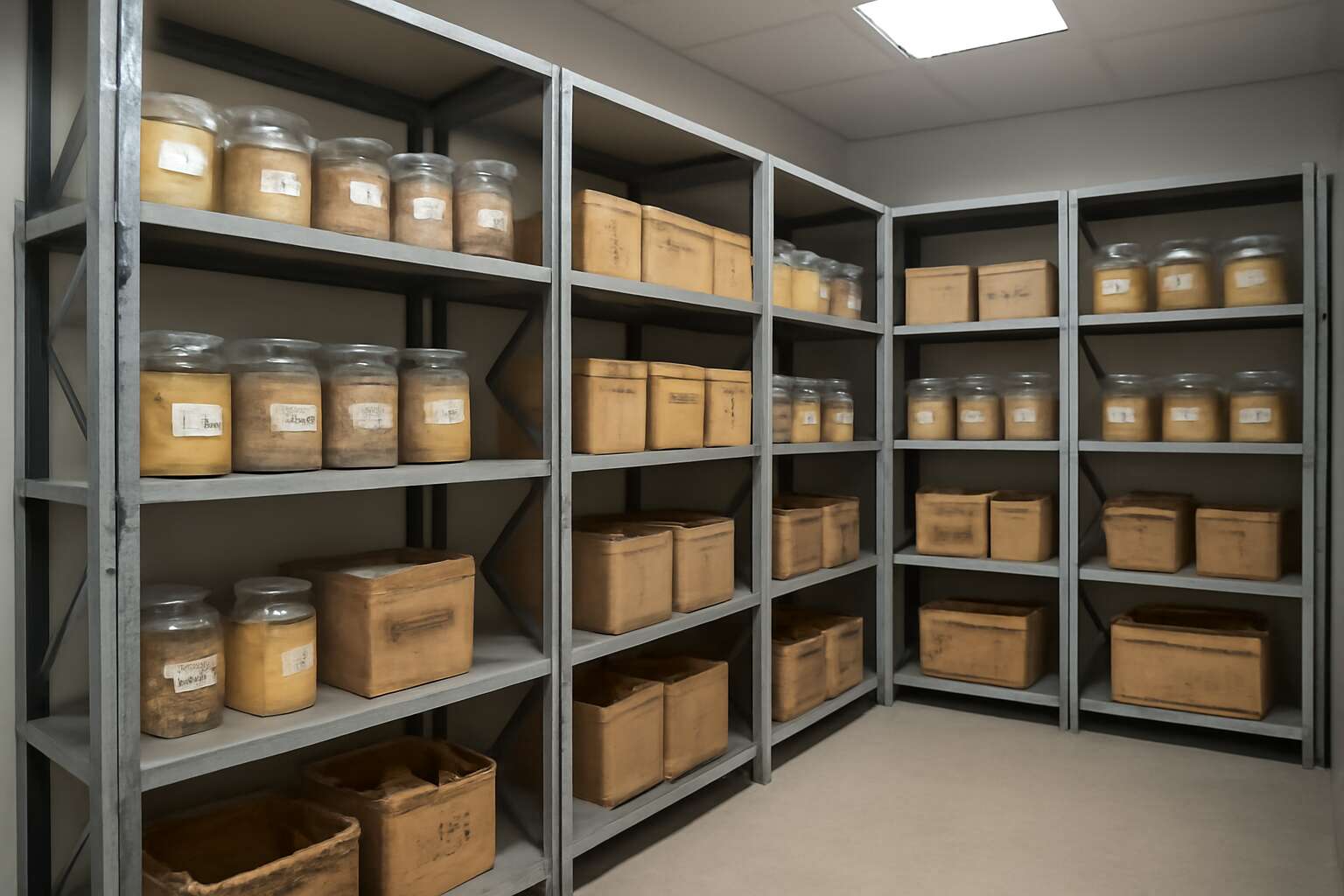
Storage optimization fundamentals with adjustable shelving systems
Key benefits of adjustable shelving for organized spaces
Clutter costs more than floor space; it steals minutes and margins. In South Africa’s bustling warehouses and homes, storage optimization with adjustable shelving systems unlocks hidden cubic metres. The idea is simple: arrange items so they breathe, and your space becomes a living grid where efficiency flows. Cross shelving introduces a subtle serendipity, allowing configurations that adapt as needs shift—almost supernatural in its precision.
Adjustable shelving fundamentals mean shelves can rise or fall to match item heights, reducing misplacement and chasing down tools or stock. The result is a system that scales with you, keeping everyday spaces calm and navigable.
- Maximize vertical space
- Improve visibility and accessibility
- Adapt to changing inventory and seasonal needs
In this way, cross shelving becomes more than storage; it’s architecture for the eye and the hand, turning cluttered corners into ordered sanctuaries that stand up to the pace of life in South Africa.
Choosing between adjustable and fixed shelves for your layout
In busy spaces, the average worker wastes 15 minutes daily chasing misplaced items. Storage optimization begins with a choice: adjustable shelves that rise to meet your needs or fixed shelves that resist change. The right setup keeps items visible, trims misplacement, and frees floor space, turning corners into navigable pathways. The idea of cross shelving emerges as a quiet conductor, guiding configurations that adapt as work flows shift.
In South Africa’s dynamic spaces, the decision rests on item variety, turnover, and future needs.
- Item heights and accessibility
- Load capacity and safety
- Seasonal changes in inventory
Adjustable shelving shines when heights vary or stock grows; fixed shelves offer predictability and lower upfront costs.
Assessing space, load, and accessibility requirements
In South Africa’s bustling workshops, a smart shelf setup can reclaim daylight in a crowded room. cross shelving acts as a quiet conductor, guiding what sits where so teams move with intention rather than rummage. I’ve watched spaces breathe again—visible items, fewer misplacements, and a quieter floor.
Assessing space, load, and accessibility requirements anchors every choice. Flexible setups adapt as stock grows; sturdier, traditional racks provide a predictable baseline. To keep things balanced, focus on how high you pile, how heavy the items are, and how easily your team can reach the things they use daily.
- Space: clear sightlines and adequate aisle width
- Load: balanced weight distribution and shelf integrity
- Accessibility: ergonomic reach for frequent items
Across South Africa, warehouses, clinics, and rural depots shift with seasons and turnover. The right system preserves throughput, reduces fatigue, and keeps corners navigable, turning routine tasks into smooth, human work.
Materials and finishes that boost durability and style
Here’s a punchy stat to wake up your workshop: inefficient storage can drain up to 15% of throughput in South African facilities. Storage optimization fundamentals begin with an adjustable shelving system that behaves like a well-trained assistant—reliable, adaptable, and a little bit smug about its own cleverness. In cross shelving layouts, durability and cleanliness meet clarity, letting teams find what they need before the coffee goes cold.
- Powder-coated steel for heavy use and easy cleaning
- Stainless steel for damp spaces and sanitation
- Laminated or veneered wood for warmth without the weight
- Aluminum with corrosion resistance for coastal depots
Materials and finishes that boost durability and style matter as much as configuration. Think powder-coated steel for heavy use and easy cleaning; stainless steel for damp spaces; laminated wood for warmth without the weight. Finish choices—epoxy coatings, textured powders, and sleek uprights—keep the system attractive while resisting the hustle and humidity South Africa throws at it. Cross shelving becomes a stage where robustness and elegance share the spotlight.
Installation and setup of adjustable shelving systems
Step-by-step guide to installing adjustable shelving
Across rural workshops and urban kitchens alike, cross shelving has a way of turning tight walls into trusted work zones. A thoughtful install saves space and heartache, every day.
For a durable, tidy setup, follow this step-by-step guide that respects plumb, level, and load limits.
- Measure and mark the wall tracks, ensuring you align with studs or solid backing.
- Level the uprights and fix the anchors securely before lifting components.
- Attach shelf frames to the uprights and lock them in place.
- Slide adjustable shelves to the desired heights and perform a light weighted test.
With the rails secured and shelves clipped, I run a careful weight test to confirm readiness and avoid wobble.
In South Africa, practical care matters: keep edges padded, clear pathways, and schedule periodic checks to extend the life of the system.
Tools and safety considerations during assembly
In South Africa’s bustling kitchens and rural workshops, space is precious and clutter wears at the mind. Cross shelving quietly reshapes corners into organized rooms, turning every squeak of an opened cabinet into a breath of order—and that feeling is priceless!
Tools and safety go hand in hand during installation. The air in a workshop changes with the weather, but a steady stance and proper gear stay constant. Gather these essentials:
- Stud finder and spirit level
- Appropriate anchors and screws
- Drill, screwdriver, and hammer
- Safety PPE (goggles, gloves)
Here, patience is part of the tool kit, and a gentle test helps protect space and people. In South Africa, keep pathways clear and edges padded to honour long days of work.
Anchoring shelves for load-bearing strength
“A shelf that stays put is a quiet pledge kept!” and in South Africa’s sunlit kitchens and corrugated workshops, that pledge translates to safe, usable space. Installation and setup of adjustable shelving systems hinge on deliberate anchoring for load-bearing strength, especially in cross shelving layouts where balance is everything. When weight and gravity align, every item finds its place with dignity and ease.
Consider these anchors of stability:
- Wall type and stud layout
- Concreting or masonry anchors where studs aren’t present
- Even weight distribution across the shelves
With careful alignment, the system remains graceful under pressure, a testament to design that respects both space and people.
Tips for leveling and securing shelves on uneven floors
In South Africa’s sunlit kitchens and corrugated workshops, a properly leveled cross shelving system feels like poetry under pressure. Seven in ten professionals credit crisp leveling as the invisible engine of efficiency. Installation and setup hinge on balance, even when weight is shifting, and the appeal lies in quiet certainty—where cross shelving can breathe and respond to space with dignity. I have seen such systems rise to the occasion, and it is a small triumph to witness shelves settle where they belong!
Consider these subtle anchors of stability:
- Visual assessment of the floor plane and any high or low spots
- Distribution of weight across shelves to avoid tipping or bowing
- Use of adaptive supports and discreet leveling feet that tolerate humidity changes
When alignment meets intention, this shelving endures as a quiet guardian of space and purpose, a mirror of a life lived with care.
Practical use cases and industry applications
Retail inventory organization and stock flow
Fresh inventory is a living system, especially in South Africa’s busy retail spaces. A well-placed layout turns stock into stories customers read at a glance. “Layout is strategy,” says a seasoned SA retailer. That’s the promise of cross shelving when crowds swirl.
In practice, cross shelving shines across several scenarios, from quick-turn goods to seasonal displays.
- Grocery and fresh departments: optimize pick faces and rotate stock to reduce waste.
- Hardware and DIY: keep common fasteners within reach to speed replenishment.
- Apparel and beauty: layer essentials by size or shade for quick browsing.
For retailers large and small, cross shelving streamlines stock flow, boosts accuracy, and makes replenishment predictable. It supports first-in, first-out and helps convert crowded backrooms into efficient channels.
In South Africa’s diverse markets, a sturdy setup becomes a quiet engine for safety and customer satisfaction, shaping the journey from warehouse to showroom.
Garage, workshop, and hobby space optimization
In South Africa’s bustling garages, up to 60% of valuable wall real estate lies idle—until cross shelving steps in with quiet geometry and efficiency.
Garage, workshop, and hobby spaces thrive when tools, cords, and parts are staged like constellations: each item has a home, each shelf a story. Cross shelving creates vertical lanes that keep commonly used items within arm’s reach, speeding setup and cleanup.
- Power-tool hubs
- Hardware and fasteners bays
- Craft and hobby stations
In tight spaces, a well-planned shelf orchestra reduces wander and risk, turning clutter into an efficient, almost ceremonial workflow.
Warehouse and backroom efficiency and space saving
In South Africa’s bustling warehouses, every square metre matters, and cross shelving unlocks wall space that would otherwise sit idle—a game changer for storage density and throughput. Practical use cases and industry applications emerge across wholesale backrooms, manufacturing supply chains, and service yards, where cross shelving turns clutter into a legible, fast-moving workflow. It choreographs space so items land in a predictable home, speeding restock and pick accuracy.
- Backroom bulk storage for distributors and retailers, enabling rapid pick-and-pack cycles
- Automotive and parts supply chains, keeping frequently used components in clearly defined lanes
- Perishable and non-perishable inventory in distribution centers, improving traceability and restock accuracy
Across the industry, cross shelving becomes a quiet engine of efficiency, balancing density with accessibility and respecting floor space in demanding environments. It supports scalable operations without sacrificing order or safety, making it a staple in South African warehouses and backrooms.
Libraries, archives, and document storage
Every square metre tells a story—cross shelving makes that story easier to read in libraries, archives, and document storage across South Africa. This approach turns idle wall space into orderly lanes of fast-access records, helping staff locate items at a glance and return them to their rightful home with minimal fuss.
In practical terms, this is where the shelving shines:
- Public libraries optimizing circulating fiction and reference materials
- University archives safeguarding fragile collections with clearly defined lanes
- Municipal records rooms delivering rapid retrieval for legal and historical documents
Small business offices and storage rooms
A sharp shelf is a sharp edge in your business: retrieval times can drop by up to 50% when you deploy cross shelving in a compact office, and staff feel the difference immediately.
In small business offices and storage rooms across South Africa, cross shelving shines by turning bare walls into fast-access lanes. It supports archives, customer records, supplier contracts, and project folders with clearly defined lanes that guide every item home.
- Filing and archiving customer and supplier paperwork in clearly labeled lanes
- Organising product samples, warranties, and QA docs for quick audit access
- Co-locating backroom stock, packing lists, and invoicing files for rapid fulfillment
For teams pressed by deadlines, the system reads like a legend—every item finds its place, every week flows smoother when cross shelving is part of the architecture of your workspace.
Maintenance, customization, and optimization strategies
Maintenance routines to extend shelf life
In South Africa’s bustling warehouses, cross shelving turns clutter into clarity, boosting stock visibility by a surprising margin. “Order is a kind of magic,” a seasoned shopkeeper likes to say, and I’ve watched this magic unfold as labels align and items breathe in neat constellations.
Maintenance routines can extend shelf life by treating hardware and finishes with attentive care. Customization invites reshaping the system as needs shift—a feature-rich lattice that adapts to changing inventory without losing its poem of order.
- Materials and finishes that resist wear and weather
- Modular reconfiguration to accommodate seasonality
- Environment-aware care for humidity and coastal air
Optimization strategies weave the shelving into daily operations: consistent labeling, balanced load distribution, and periodic audits that catch drift before it becomes disorder. When your shelves feel like a living map rather than a static backdrop, your stock moves with grace and speed.
Customization options: height, width, and depth adjustments
In South Africa’s bustling warehouses, cross shelving shines when maintenance keeps it clean and sturdy. Keep hardware lubricated, finishes resistant to salt air and sun, and monitor humidity. A well-tended lattice breathes and clutter dissolves into clarity!
Customization options tailor the system to your space, with:
- Height adjustments
- Width adjustments
- Depth adjustments
Optimization strategies weave shelving into daily operations: consistent labeling, balanced loads, and periodic audits that catch drift before it becomes disorder. When the shelves breathe like a living map, stock moves with grace and speed.
Accessories to boost organization: bins, dividers, and labeling
In South Africa’s bustling warehouses, maintenance keeps cross shelving singing. Clean tools, lubricate hardware, and monitor humidity; finishes endure salt air and sun, while a sturdy lattice breathes. When cared for, clutter dissolves into clarity.
Customization options—height, width, and depth—shape the space like a conductor shaping a chorus. Accessories to boost organization appear as quiet allies:
- Bins anchor small parts and tools
- Dividers create clear zones and flows
- Labeling speeds audits and replenishment
Cross shelving becomes a precise, navigable map of inventory. Optimization strategies weave consistent labeling, balanced loads, and periodic audits into daily rhythm; when the shelves breathe, stock moves with grace and speed.



0 Comments