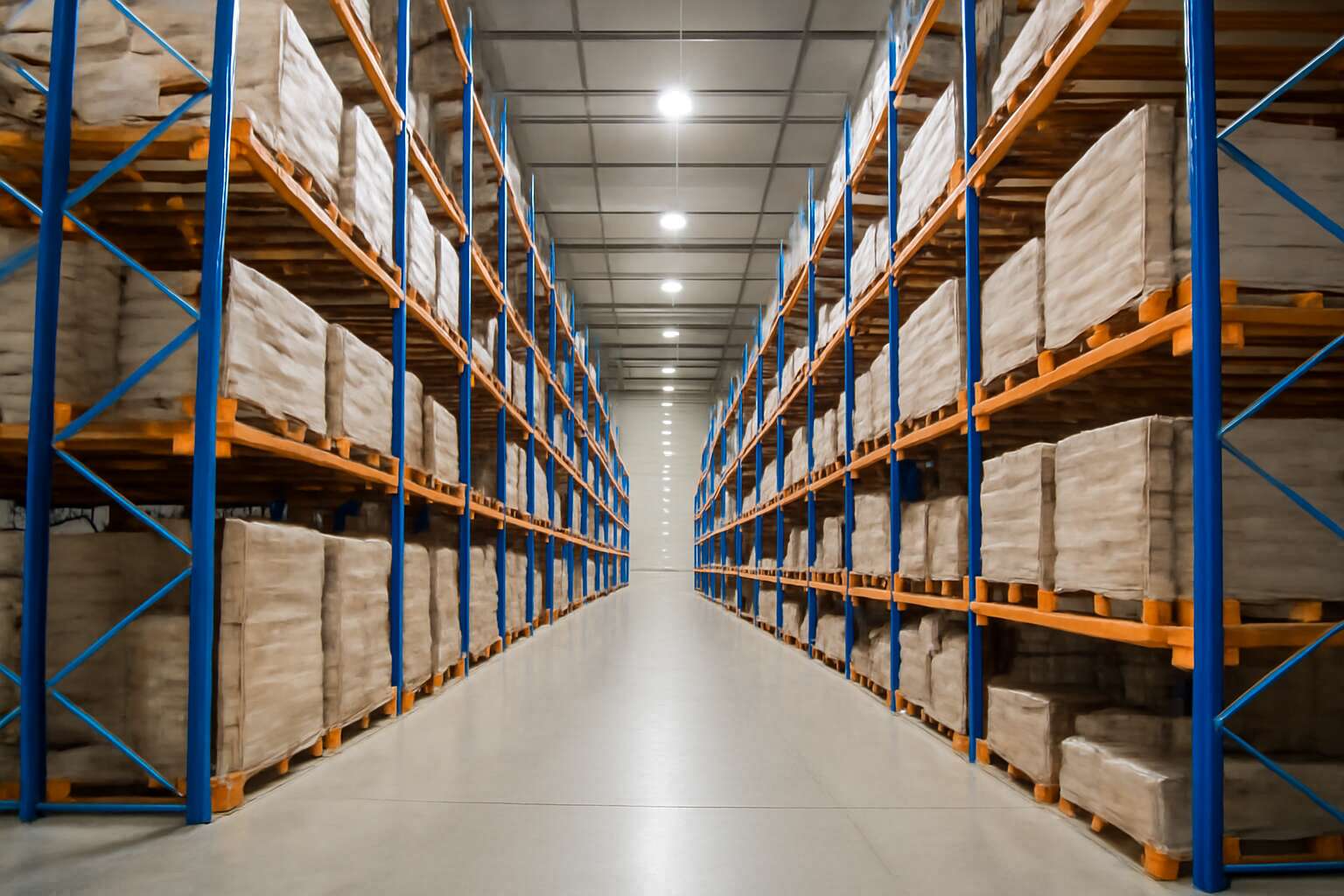
Racking Extensions: What They Are and Why They Matter
Definition and Core Concepts
Across South Africa’s busiest distribution hubs, space is currency and fate. A telling figure from SA warehouses shows storage efficiency improves up to 20% when shelves are extended intelligently. When floor plans feel tight, the magic of racking extensions breathes room into the same footprint, turning clutter into order!
These sturdy add-ons extend the usable area of standard pallet racks, letting you reclaim vertical and horizontal real estate without moving equipment.
- Increased storage density without expanding the footprint
- Modular compatibility with existing racks
- Enhanced safety through tested connectors and load distribution
In practical terms, imagine a root that grows to support more fruit without uprooting the tree: that is what these add-ons offer to warehouses—space, safety, and speed.
Key Materials and Components
In South Africa’s distribution heartlands, efficiency is a living sinew. Storage density can rise by up to 20% when racking extensions are deployed with care, turning claustrophobic grids into legible warehouses.
These sturdy add-ons retrofit standard pallet racks, extending depth or width without disturbing uprights. They harvest unused space, preserve aisle integrity, and ensure safe, rapid access to longer pallets.
Key materials and components ensure performance and safety:
- Hot-rolled steel sections designed for high load
- Connector hardware and safety bolts
- Anti-lift brackets and bracing
- Galvanized or powder-coated finishes
- Load distribution plates and gussets
Built to endure the daily grind, these components keep the spine of the rack strong, compliant, and agile.
How They Improve Storage Capacity
Storage density in South Africa’s warehouses can rise by up to 20% when racking extensions are deployed. These add-ons retrofit standard pallet racks, extending depth or width without disturbing uprights. They harvest unused space, preserve aisle integrity, and provide safer, rapid access to longer pallets.
With a straightforward retrofit, racking extensions unlock underutilized zones and keep aisles clear. Benefits include:
- Expanded depth or width without moving uprights
- Efficient use of existing footprint
- Quicker handling of longer loads
- Minimal downtime during installation
In the South African distribution landscape, choosing compatible racking extensions and proper fittings matters for safety and longevity. These extensions are a practical way to stretch space and keep operations lean.
Common Use Cases
In South Africa’s fast-moving distribution networks, space often determines profitability, with density gains of up to 20% achievable through smart retrofits. These retrofit add-ons extend the depth or width of existing pallet racks without disturbing uprights, turning idle corners into productive real estate.
They matter because they let you harvest unused space, maintain clear aisles, and speed handling of longer pallets. The result is safer access, less disruption, and a leaner operation that still respects floor loading and safety standards.
Common use cases include:
- Expanding capacity for longer pallets without moving racks
- Accommodating wider loads in tight warehouses
- Quick retrofits during peak season with minimal downtime
Designed for South African warehouses, racking extensions emphasize compatibility and longevity, offering a practical way to stretch your footprint while preserving safety and throughput.
Its value sits at the intersection of safety, speed, and space.
Racking Extensions Types and Applications
Fixed vs Adjustable Extensions
In South Africa’s bustling warehouses, the right racking extensions can unlock dramatic gains in space and speed. Many facilities report up to 20% more usable density when the extensions are matched to their pallets and racks, turning crowded aisles into confident throughput.
Fixed racking extensions offer a permanent, stable reach. They excel when pallet dimensions stay the same and reliability beats flexibility in day-to-day operations.
Adjustable racking extensions bring versatility for shifting stock, long to short loads, and seasonal campaigns.
- Depth can be tuned to fit different pallet footprints
- Quick reconfiguration without disassembling bays
- Maintains safety with locking mechanisms and clear load indicators
In practice, choosing between fixed and adjustable racking extensions depends on product mix, turnover, and aisle planning across South Africa’s distribution networks. Partnering with a local supplier ensures compatibility with standards and local safety expectations.
Material Options: Wire, Steel, and Plastic
South Africa’s warehouses pulse with activity; every centimetre saved translates to faster turns and less fatigue on the line. Racking extensions, tailored to the pallet footprint, unlock space and speed with quiet efficiency. Material choices—wire, steel, and plastic—shape durability, safety, and total cost of ownership, guiding the operator from crowded aisles to confident throughput.
Material Options:
- Wire
- Steel
- Plastic
In practice, each material supports different applications: wire offers a lighter touch for mixed SKUs and easy visibility; steel delivers rugged longevity for high-turn pallets and demanding climates; plastic provides corrosion resistance and cost efficiency in moderate use environments. For South Africa’s varied warehouses, these components become a bridge between storage density and practical handling.
Industry-Specific Extensions (warehouse, retail, manufacturing)
Across South Africa’s warehouses, space is currency. The right racking extensions can boost throughput and reduce fatigue, turning wasted centimetres into confident turns. They align with pallet footprints and slip into existing racks with quiet efficiency, reshaping dense aisles into smoother, swifter operations.
Types and applications by industry:
- Warehouse: space-dense, high-bay compatibility; protects pallets and guides forks for smoother handling
- Retail: quick-access extensions with visibility for high-SKU assortments
- Manufacturing: rugged extensions designed for lean, vibration-prone lines
From hubs to lines, extensions enable density and flow across SA’s logistics landscape. Whether you choose steel, wire, or plastic, the result is safety with productivity and steadier throughput.
Compatibility and Rack Standards
Space is currency in SA warehouses, where shaving a few centimetres translates into faster picks and leaner operations. Racking extensions quietly reclaim dead space, guiding forklifts through dense aisles with less fatigue and a touch more swagger.
From slender edge extensions to rugged, high-load variants, these add-ons tailor density to the job. They align with pallet footprints, slip into existing racks, and stay square with rack standards—so you gain throughput without courting chaos.
Key compatibility checkpoints:
- Pallet footprint compatibility and beam-type fit
- Fork access clearance and aisle geometry
- Anchoring method and retrofit ease
- Load rating and safety certification
Smart choice: racking extensions that harmonize with rack standards keep SA warehouses productive and safe.
Selecting the Right Type
In SA warehouses, every centimetre counts—shaving aisle width by a touch can translate into hours saved on a busy shift. These racking extensions quietly reclaim space and guide forklifts with steadier flow and less back-and-forth!
Three common configurations stand out for SA operations:
- Edge-into-face extensions: tuck neatly into the rack face to improve pallet alignment and reduce load skew.
- Deep-entry extensions: extend into deeper lanes for higher density without compromising fork access.
- Retrofit-ready variants: bolt-on designs that fit existing racks and beam profiles, minimizing downtime.
Choosing among these types hinges on turnover tempo, pallet variance, and ease of retrofit. Durable finishes and clear safety certification ensure these racking extensions stay dependable through busy shifts and changing seasons.
Racking Extensions Installation and Safety
Pre-Installation Planning
Space in a South African distribution centre is the new currency, and smart use of extensions can reclaim precious vertical meters overnight. A disciplined pre-install plan often translates into cleaner aisles, faster picks, and less downtime when the pallets roll in. The right balance of foresight and practicality makes the whole operation feel delightfully efficient.
Before a single bolt is turned, map the site and align safety with performance. Address floor flatness, load distribution, and forklift routes; ensure overhead clearances are documented. Choose compatible racking extensions that match existing standards and supplier guidelines, and ensure operators are trained for the specifics of the extension system. In South Africa, adherence to local standards keeps the project running with confidence and polish.
Consider these safety pre-install steps:
- Floor condition and flatness assessment
- Rated load per level and total rack capacity
- Clearance for equipment and overhead obstructions
Installation Steps and Tools
Space is currency in South Africa’s distribution centres, and racking extensions offer a sudden uplift for density and tempo. A seasoned supervisor often reminds us that the difference between clutter and clarity is measured in inches and intention. The installation story unfolds as a duet of alignment and safety, where every bolt and bracket is weighed against load and operator flow.
Tools and steps mingle in a quiet rite:
- Torque wrench
- Spirit level
- Measuring tape
- PPE and safety footwear
- Allen keys / hex wrenches
- Impact driver or driver with compatible bits
- Marking chalk or marker
- Step ladder or scaffold as required
These components guide the hands that align rails, anchor bases, and cradle extensions with care; safety checks and manufacturer guidelines keep the system singing in tune with SA standards.
Weight Capacity and Load Distribution
Space is currency in South Africa’s distribution hubs, and racking extensions redraw the balance sheet in seconds. When installed with respect for weight capacity and load distribution, they turn vertical potential into real throughput. A careful balance keeps shelves level, pallets stable, and operators moving with purpose. The extension system becomes a quiet partner, ready to absorb peak seasons without sacrificing safety or sightlines!
- Confirm alignment with uprights
- Verify base anchors meet standards
- Ensure even load distribution across extensions
- Confirm PPE and safety gear is worn
Done right, racking extensions balance density with diligence, keeping momentum while respecting every load path.
Safety Compliance and Regulations
Racking extensions aren’t just add-ons; they’re the quiet engineers of flow, especially in South Africa’s busy warehouses where every inspection of a rack can save seconds and shatter bottlenecks. Proper installation respects weight balance, sightlines, and the safety rules that keep teams moving with confidence under peak torque and daily wear.
- Confirm alignment with uprights
- Verify base anchors meet standards
- Ensure even load distribution across extensions
- Confirm PPE and safety gear is worn
In regulated environments, safety compliance and regulations govern every extension choice, from tagging and inspection regimes to periodic audits, ensuring these extensions remain a dependable partner during peak seasons and routine shifts alike.
Inspection and Maintenance
Racking extensions keep pallets in sight and forklifts in flow, and they rarely complain about overtime. In South Africa’s busy warehouses, proper selection and placement matter—because one smart extension can shave seconds off a check and turn a jam into a smooth handoff.
Installation and ongoing safety inspection are the twin engines. Aligning with uprights, securing base anchors, and ensuring even load distribution under all conditions guard against twist, tilt, and surprise audits. When done with care, racking extensions become dependable partners during peak shifts and routine days alike.
Here are high-level focal points that keep the operation humming without fanfare:
- Structural alignment and clearance checks
- Connection integrity and corrosion monitoring
- Regulatory tagging and audit readiness
Keep the conversation focused on performance, not theatrics, and the racking extensions will repay the trust with quieter, safer throughput.
Racking Extensions Cost, ROI, and Sourcing
Pricing Models and Budgeting
Space is money—keep more of it with smart racking extensions! In today’s SA warehouses, a compact, scalable layout can unlock real value and make the CFO smile, even on a Monday.
Costs vary by material, length, and load. Budget for upfront installation and ongoing maintenance. A typical project in South Africa spans from a few thousand rand per unit to higher where aggressive height or heavy-duty steel is used. Returned ROI shows up as faster picks, reduced misloads, and longer rack life.
- Purchase and install (CAPEX) with depreciation
- Short-term rental or lease (OPEX)
- Hybrid financing or supplier credit
When budgeting, align extensions with existing rack standards, plan for lead times, and factor installation labor. A simple scenario planning exercise helps avoid overordering or underutilising space.
Total Cost of Ownership
Space is money, and in South Africa’s warehouses every extra metre carries a rand-sign reality. racking extensions convert unused height into actionable storage without moving heavy shelves, delivering immediate throughput gains and a steadier floor. The upfront price varies with material, length, and load, but the long-term value comes from more picks per hour and longer rack life.
ROI shows up in faster picks, fewer misloads, and a rack that lasts. In SA, aligning racking extensions with existing standards can shorten payback and free capital for other needs. Consider these cost facets:
- Upfront CAPEX and installation
- Maintenance and spare parts
- Depreciation and financing terms
Sourcing Total Cost of Ownership for racking extensions includes warranty, service, financing, and end-of-life options. Look for local suppliers who understand South African installation windows and maintenance cycles; the right terms ease budgeting and keep the system humming.
Supplier Vetting and Sourcing Channels
Racking extensions unlock value by turning unused height into real storage; every extra metre can speed picks and stabilize floors in SA warehouses—it’s a quiet powerhouse. The cost story hinges on upfront CAPEX and installation, ongoing maintenance and spare parts, and depreciation or financing terms. Materials and length drive price, but longer-term gains come from throughput and rack longevity.
ROI shows up as faster picks, fewer misloads, and a more durable rack that ages gracefully. In South Africa, aligning with local standards can shorten payback and free capital for other needs.
Sourcing channels and supplier vetting matter as much as the hardware. For racking extensions, SA-based partners with clear warranties and service options are worth evaluating. Examples include local distributors, OEMs, and service-focused installers.
- Local distributors and installers
- OEMs with parts and service agreements
Warranty, Returns, and Support
Height is money in SA warehouses, and racking extensions turn spare space into real revenue. Industry estimates suggest that an extra metre can boost throughput by up to 25%. The sticker price is real—CAPEX, installation, and ongoing maintenance—but the payoff lies in throughput and rack longevity. Seriously, it’s a quiet powerhouse!
ROI shows up as faster picks, fewer misloads, and a rack that ages gracefully. In SA, sticking to local standards and favourable financing can shorten payback and free capital for other needs—this is the real value of racking extensions.
Warranty, returns, and support matter as much as the hardware itself. With SA-based partners offering clear warranty terms and service options, you can buy with confidence.
- Local distributors and installers
- OEMs with parts and service agreements
- Service-focused installers
Bulk Discounts and Lead Times
Every extra metre of racking space can push throughput by as much as 25% in South African warehouses—a quiet statistic with loud implications. Racking extensions transform vacant air into real revenue, turning peak season chaos into a predictable rhythm of picks and pallets.
The upfront cost—CAPEX, installation, and ongoing upkeep—pays for itself through faster turns, fewer misloads, and longer rack life. In SA, favourable financing and local support can shorten the payback window, freeing capital for other priority projects.
Bulk discounts for racking extensions can trim total costs as volumes rise, and experienced SA suppliers often publish transparent lead times to help with planning. Navigating these options requires clear sourcing channels and a trusted installer network.
- Tiered discounts by volume
- Lead time benchmarks by supplier
- Financing and payment terms
With the right partners, racking extensions become a strategic asset rather than an afterthought!



0 Comments