Garage Storage Solutions
Choosing the Right Shelving for Your Garage
Behind every tidy workshop lies a decisive choice. In South Africa, 40% of garages remain underutilized, wasting space and patience. Garage shelving becomes the pivot—an anchor of strength, accessibility, and quiet order that lets tools finally cooperate.
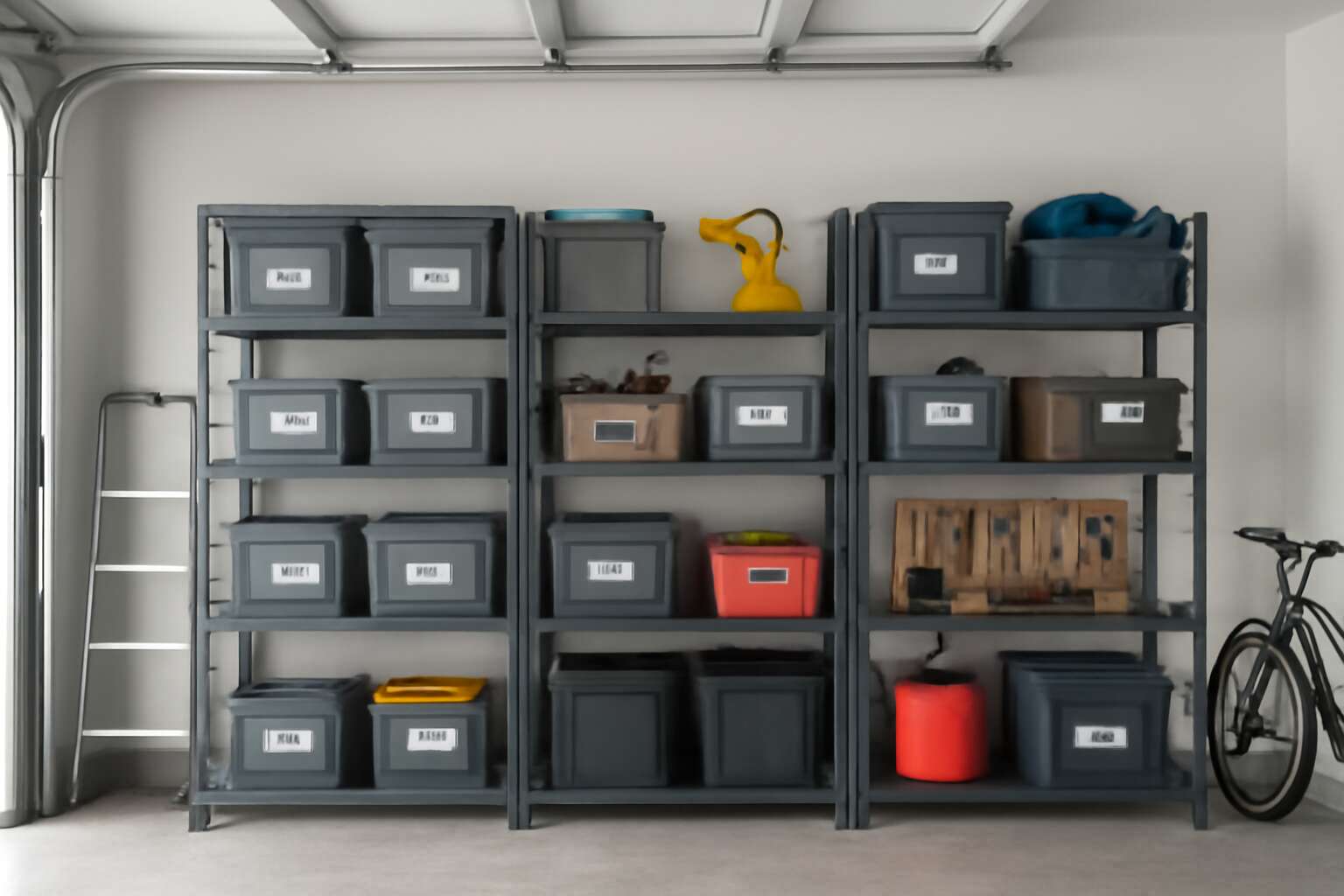
Choosing the right garage shelving means weighing load capacity, footprint, and climate. Materials tell the story: powder-coated steel for durability, resin for damp spaces, or modular systems that adapt as needs grow. The best configurations blend adjustability with easy maintenance.
- Adjustable steel shelving for flexibility
- Resin shelving for humid spaces
Ultimately, a tailored setup rewrites the garage’s narrative, turning clutter into purposeful space. This is more than storage—it’s a quiet mystery solved by thoughtful shelving, a workspace that finally behaves.
Overhead vs Floor Shelving: Pros and Cons
In South Africa’s bustling garages, every square metre counts. Overhead shelving can reclaim ceiling real estate, turning clutter into clever order, a quiet revolution in garage shelving.
- Overhead shelving frees floor space and keeps odd-size items off the damp ground.
- Floor shelving offers rock-solid stability and easier access for frequently used tools.
- Consider a hybrid approach to blend reach with resilience.
Ultimately, the right mix for your workspace is a nuanced balance—an architectural choice that makes garage shelving feel almost organic, a system that grows with your needs while staying grounded in practical, everyday use.
Industrial vs Residential Shelving Materials
Across South Africa’s garages, the choice between industrial and residential shelving is less a fashion statement and more a survival strategy for garage shelving. In SA, garages lose up to a third of usable space to clutter. Industrial shelving swings in with heavy-duty steel, stainless options, and powder coatings designed to shrug off humidity, oil splatters, and the occasional disaster-movie moment. Residential shelving keeps things lightweight with chrome wire, melamine boards, or plastic shelves—adequate for drawers of fasteners and spray cans, less enthusiastic about 25-kilogram toolboxes. The right mix lights up clutter without sacrificing reliability.
Key considerations include:
- Load capacity and shelf spacing
- Environment (moisture, chemicals, temperature)
- Longevity vs budget
- Assembly and adaptability
Your garage shelving narrative is shaped by environment and budget; a hybrid approach often wins the day.
Budget-Friendly Garage Shelf Options
Across South Africa, garages lose up to a third of usable space to clutter, a hidden tax on time and money. Smart, budget-friendly garage shelving can reclaim that space without breaking the bank.
Budget-friendly options include:
- Stackable plastic units for lightweight loads
- Open-wire chrome shelving for easy visibility and airflow
- Modular melamine boards on simple frames that won’t warp
A hybrid approach—combining heavier-duty steel for tools with lighter chrome or plastic for general storage—delivers resilience on a budget. This balanced take on garage shelving keeps costs predictable while reliability stays intact.
Space Planning Tips Before Buying Shelving
Clutter is a ruthless time thief, and in South Africa garages devour up to a third of usable space. Before you buy, treat the garage as a small city: map what moves, what sits idle, and how you’ll move around it. Your first choice—garage shelving—should respect both space and routine.
To shape a sane plan, think about these design vibes:
- Balance weight with accessible layout near primary tool zones
- Leave breathing room for growth and seasonal gear
- Match shelf spacing to item heights to reduce rummaging
A thoughtful space plan guides every material pick for your shelving and helps it survive SA humidity and heat. It’s not a showroom dream—it’s the quiet backbone of a usable workspace.
Types of Garage Shelving and Layouts
Open Shelving vs Enclosed Cabinets
A well-planned garage comes alive when the shelves breathe. The right garage shelving turns a sea of tools into a smooth workflow, cutting rummaging time by minutes. In South Africa, where space is precious, shoppers weigh open shelving against enclosed cabinets for accessibility, dust control, and security.
Consider these layouts to fit different needs:
- Open wire or slat shelving for fast access and air flow
- Solid open shelves for moisture-prone tools and everyday items
- Lockable enclosed cabinets to secure valuables and keep chemicals tidy
Mix and match to create zones: a workbench area, bulk storage, and a rarely used items cabinet. Your garage shelving becomes a working partner, not a dumping ground.
Wall-Mounted Shelving Systems
Wall-mounted systems bring a poised elegance to any shelving setup. The space breathes when the load rests along the walls, a choreography of metal and wood. In South Africa’s tight urban garages, these layouts maximize floor real estate while preserving accessibility, turning routine tasks into swift, almost musical motions.
These wall-mounted shelving systems offer modular versatility for different tools and trades. Together, they anchor a versatile garage shelving ecosystem.
- Pegboard backdrops for fast access and visibility
- Slatwall panels with modular hooks and bins
- Wire grids and cantilever brackets for airflow and moisture-prone items
When layered with a few sturdy shelves, the result is a living framework—airy, accessible, and quietly glamorous; shelving becomes a partner in daily life, not a dumping ground.
Heavy-Duty Steel Shelving for Tools
Across South Africa’s bustling garages, a tidy workspace saves minutes—over a busy week. Here, Types of garage shelving and Layouts reveal heavy-duty steel shelving for tools as the backbone of a practical shop. When the right configuration locks tools into place, routines become smoother, and every project starts with a confident reach.
Heavy-duty steel shelving for tools withstands the heftiest hand tools, power packs, and spare parts. Boltless, modular frames invite rapid reconfiguration as your space evolves. In your garage shelving plan, look for:
- Powder-coated steel for rust resistance
- Adjustable shelf heights to fit tall tins and crates
- Low-profile cantilever options for long items
- High-load capacity per shelf to prevent sag
Beyond the core system, cantilever and grid-inspired layouts elevate shelving into a flexible architectural element. The right mix invites airflow, protects moisture-prone items, and keeps every tool within arm’s reach, turning a utilitarian space into a small theatre of productivity.
Adjustable Shelving for Flexible Space
Garages across South Africa are turning into engines of efficiency. When we mix types of garage shelving with adjustable shelving for flexible space, we unlock a workspace that grows with us and our tools. The harmony of modular frames and thoughtful heights turns routine into ritual, and every reach feels like a small triumph!
Within adjustable shelving, the layout can flirt with cantilever grids or modular bays, allowing tall tins, crates, and long blades to breathe. Consider a configuration that keeps frequently used items within arm’s reach and creates airy corridors for airflow.
- Adjustable shelf heights and boltless frames for rapid reconfiguration
- Low-profile cantilever options for long items
- Grid-inspired sections to improve airflow and visibility
Done well, a flexible space becomes more than storage—it becomes a stage for a craftsman’s life, where every project begins with a confident reach. This is the craft of garage shelving in motion.
Materials, Durability, and Load Capacity
Metal vs Plastic vs Wood Shelves: Advantages and Limits
Storage isn’t just order; it’s a workable philosophy that boosts efficiency. In South Africa, a well-chosen garage shelving setup can turn a tight space into a workspace. As a Cape Town craftsman says, “Space saved is work gained.”
Metal shelves offer strength and longevity; plastic units are light and easy to clean; wood shelves bring warmth but react to humidity. Each material has distinct advantages and limits.
Durability hinges on finish and environment. Powder-coated metal resists chips; plastics resist moisture; wood must season and seal to hold shape in a garage climate.
Load capacity varies by design. Metal shelves commonly carry 150–300 kg per shelf; plastic units around 20–60 kg; wood shelves 40–200 kg, depending on grade and framing.
- Extremely durable; handles heavy tools, but requires protective coatings to prevent rust.
- Lightweight and moisture-resistant; risk of sag under sustained heavy loads.
- Stylish and sturdy, yet prone to warping with humidity.
Load Ratings and Safety Considerations
Across South Africa, 3 in 4 workshops gain speed once space is organized, and garage shelving is the quiet engine behind that efficiency. In my workshop, a lean steel shelf seems almost alive, settling into place as tools find their homes. It’s practical magic.
Durability hinges on finish and climate. Powder-coated metal stands up to chips and rust; plastic units shrug off moisture but can sag under heavy loads; wood shelves bring warmth yet bend with humidity. The right balance keeps a space reliable and inviting.
Load ratings guide every setup: metal shelves commonly carry 150–300 kg per shelf; plastic 20–60 kg; wood 40–200 kg, depending on grade and framing. Respect these limits to maintain safety and longevity in a bustling workshop.
Corrosion Resistance and Coatings
Materials shape the character of garage shelving: powder-coated steel for utilitarian grit, dense wood composites for a warming touch, and rugged plastics for damp corners. In my shop, a steel frame feels almost like a quiet partner—stable, precise, and ready to bear what the day asks of it.
Durability hinges on finish and climate. Powder coatings shrug off chips and corrosion; plastics shrug off moisture but can sag under heavy loads; wood shelves gain warmth yet wrestle with humidity. The right mix keeps a workspace honest and inviting, year after year.
Load capacity and corrosion resistance depend on framing and coatings as a system. Metal shelves typically offer the heft you need, while coatings designed for coastal or inland SA workshops guard against rust in salty air. When care meets design, garage shelving remains reliable under pressure.
Maintenance Tips to Extend Shelf Life
40% more floor space—it’s the gift of proper garage shelving. Steel whispers steadiness, wood composites glow with warmth, and rugged plastics stand for damp corners. The right mix makes the unit a trusted partner, solid and precise.
Durability is a conversation between finish and climate. Protective coats resist chips and rust; plastics shrug off moisture but sag under heavy loads; wood shelves offer warmth yet breathe with humidity. In a South African shed, the balance between dryness and dampness decides how long the setup lasts and how inviting the space remains.
Load capacity and corrosion resistance hinge on the system as a whole. Metal frames often carry the heft, while coatings crafted for salty air guard against rust in coastal workshops. Maintenance whispers that regular checks of frame joints and fasteners help the garage shelving endure, letting it stay reliable under pressure.
Rust Prevention for Wet Garages
Materials matter in a damp South African garage, where air clings to every surface. Powder-coated steel, stainless steel, and rugged plastics stand up to moisture, while treated wood composites bring warmth without surrendering to rot. The right mix makes garage shelving both sturdy and inviting.
Durability arises where finish meets climate. Protective coatings defy chips and rust; plastics shrug off moisture but can sag under heavy loads; and wood breathes with humidity, offering charm yet requiring thoughtful design in a wet environment.
Load capacity and rust prevention come from the system as a whole. Metal frames often shoulder the heaviness, while corrosion-resistant coatings guard against the salt air that prowls coastal workshops. In a South African shed, a balanced composition lasts longer, stays trustworthy, and preserves the space’s quiet glamour.
Installation, Safety, and Maintenance
Measuring Your Space: Sizing Shelving Correctly
“Space is the poetry of function,” a master carpenter once whispered. In a South African garage, proper installation of garage shelving turns clutter into calm, light into purpose. When lines are plumb and shelves breathe with intention, space finally feels earned.
Safety matters as much as placement. The art lies in thoughtful configuration: clear walkways, level surfaces, and sturdy anchoring without distraction. Garage shelving becomes a quiet guardian of tools, pride, and productivity, rather than a heap of misfit items.
Maintenance Measuring Your Space: Sizing Shelving Correctly keeps the dream intact. Reassess layout with every major change, clean the dust, and tighten fasteners on schedule. A well-measured, well-loved garage shelving system endures, turning a utility room into a gallery of everyday life.
Installation Steps: Anchoring and Securing
Installation steps: Anchoring and Securing shape the fate of garage shelving in a dim SA workshop. Begin by locating wall studs or choosing masonry anchors, then set the unit level against the wall. Secure with the correct screws, never over-tighten, and add anti-tip bracing for tall runs.
- Locate wall studs or masonry anchors
- Position shelving level and plumb
- Drive screws into studs or anchors with correct length and type
- Add anti-tip bracing or floor anchoring for stability
- Double-check level and security after loading
Safety is the quiet watchman: keep walkways clear, distribute weight evenly, and keep surfaces level and undisturbed. Use PPE and make sure edges are smooth to avoid snagging sleeves or tools.
Maintenance preserves the spell—reassess layout after major changes, dust the shelves, and tighten fasteners on schedule. A well-cared-for garage shelving system endures, turning a utility room into a gallery of everyday life.
Safety Standards and Load Distribution
Weight and wall collide in a dance of order, and a well-anchored garage shelving system conducts the rhythm. A recent South African safety survey shows anchored systems reduce wobble by 60%, turning clutter into calm. I approach installation as a quiet pact with the wall: locate studs or masonry anchors, set the unit level, and secure with the right screws, then brace tall runs to breathe.
Safety is the silent watchman. Keep walkways clear, distribute weight evenly, and keep surfaces level and undisturbed. Wear PPE, and sand the edges smooth to spare sleeves and tools from snagging.
- Even weight distribution
- Anti-tip bracing or floor anchoring
- Clear walkways and smooth edges
Maintenance preserves the spell. Reassess the layout after major changes, dust the shelves, and tighten fasteners on schedule. A well-cared-for garage shelving system endures, turning a utility room into a gallery of everyday life.
Maintenance Routine for Longevity
Weighty as a promise, installation becomes a quiet pact with the wall. In South Africa, anchored garage shelving cuts wobble by a striking sixty percent, turning a cluttered alcove into a deliberate gallery where every tool rests in confident order.
Safety stands as the silent watchman, guiding hands and hips away from misstep. Key principles keep the rhythm secure:
- Anti-tip bracing or floor anchoring
- Clear walkways
- Smooth edges to spare sleeves and tools
Maintenance preserves the spell for shelving; routine care keeps the metal singing. Reassessing the layout after major changes, dusting the surfaces, and periodic checks on fixtures ensure longevity that feels like a practiced art.



0 Comments