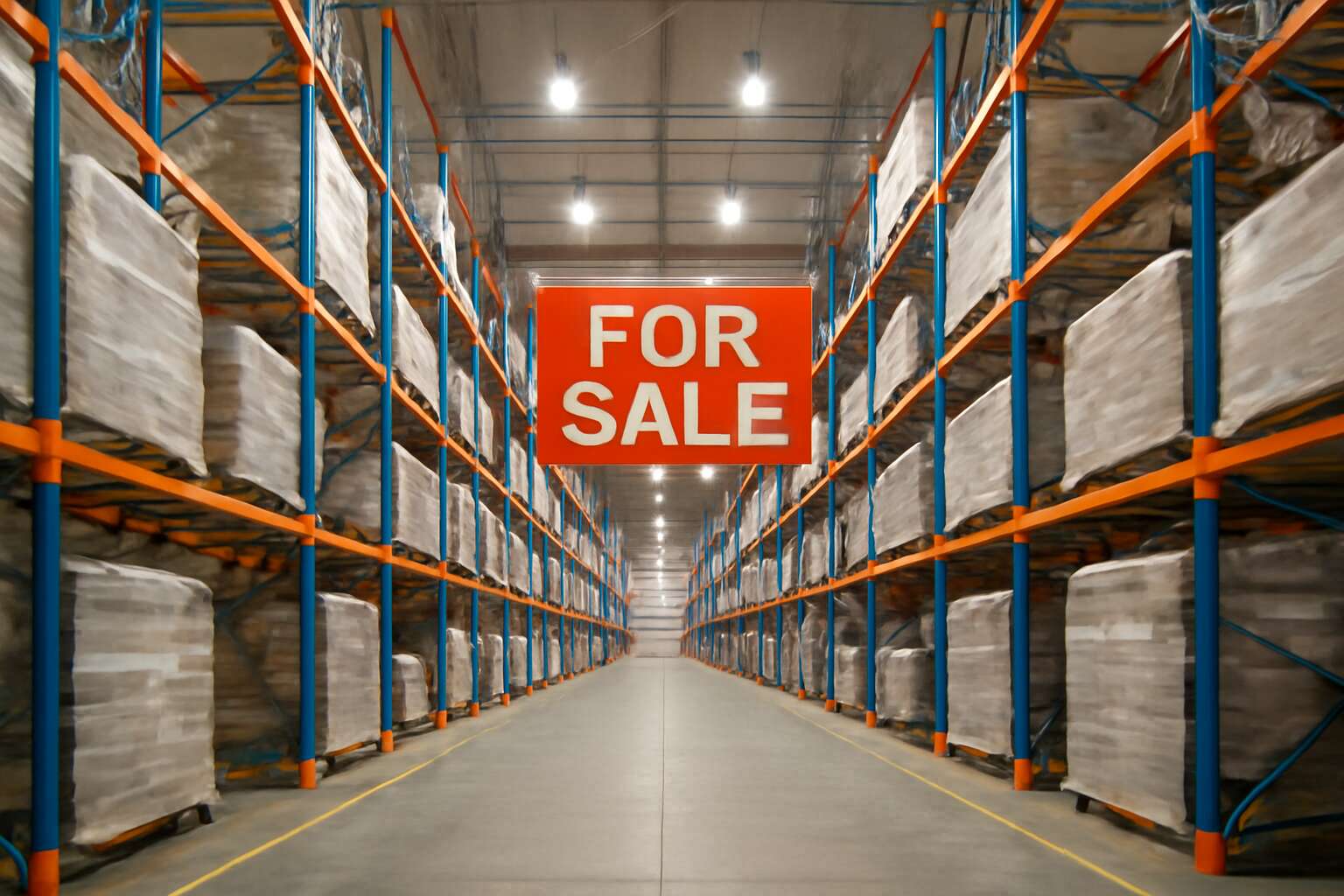
Drive-In Racking Systems Buyers Guide
Understanding Drive-In Racking Basics
Space is the currency of modern logistics, and a warehouse that uses it with quiet precision can tilt the balance between delay and delivery. In this section, we explore the essentials behind drive in racking for sale and what it means for a growing business.
Most often, it places pallets in long, refrigerated or ambient lanes that are accessed from one end. The result is tighter aisles and a near-continuous picking rhythm—think of it as a silent orchestra of space and time.
Key factors to consider when evaluating options include how well pallet dimensions align with the lanes, the load per bay, and maintenance access.
- Pallet size and weight compatibility
- Lane density versus forklift maneuverability
- Finish and corrosion resistance suited to South Africa’s conditions
Understanding these fundamentals helps buyers gauge fit within a broader warehouse strategy—space utilisation, staff safety, and the rhythm of your daily operations.
High Density Storage Benefits and Trade-offs
Space is the currency of modern logistics, and in South Africa that currency climbs quickly as demand swells. A recent performance snapshot suggests facilities embracing high-density storage can push capacity up by as much as 40% while slashing forklift travel by a third, a quiet transformation that steadies the daily rhythm. For buyers scouting drive in racking for sale, the lure goes beyond more pallets in the same footprint—it’s about predictable throughput and a steadier cadence through every shift.
To gauge fit, assess how pallet dimensions align with the lanes, the load per bay, and access for maintenance. The balance is delicate: tighter lanes improve density but curb maneuverability, and a rugged finish matters in SA’s varied climates.
- How pallet dimensions and weights fit the lane architecture
- Lane density versus operator access and maneuverability
- Finish and corrosion resistance tailored to SA environments
Common Configurations and Warehouse Layout Considerations
Across SA warehouses, drive in racking for sale is changing how fast goods turn. A typical lift translates to up to 40% more pallet spots and a third less forklift travel, translating into a steadier rhythm across shifts. For buyers, the lens shifts from upfront price to how configurations accommodate pallet size, lane density, and maintenance access!
- Single-entry, single-deep lanes for low-cost rollout and FIFO control
- Double-deep lanes to raise density with careful access planning
- Push-back drive-in variants that blend density with selective retrieval
For layout, plan lane widths around forklift turning radii, ensure maintenance access, and choose finishes that resist SA coastal humidity and inland dust. Position loading docks to reduce cross-traffic and align with your peak shifts.
Load Types Pallets and Forklift Access
In South Africa’s bustling warehouses, drive in racking for sale can unlock up to 40% more pallet spots and cut forklift travel by a third—creating a rhythm that steadies shifts and elevates daily operations.
Load types shape every lane, and I watch how a simple choice transforms flow. Single-entry lanes keep rollout lean; double-deep and push-back variants push density higher with selective retrieval. Pallet formats must breathe within the rack’s depth, and forklift access must honor turning radii and maintenance clearances amid SA coastal humidity and inland dust.
- Load Types: single-entry, double-deep, push-back
- Pallet Formats: standard and bulk pallets accommodated by depth
- Forklift Access: lane widths, turning radii, and maintenance access balanced for shifts
As I stand at the dock, I hear the cadence of steel, pallets, and pulse of business—an understated glamour where practicality meets possibility in every aisle.
Safety Standards and Compliance for Drive-In Racking
Audits show that compliant drive-in systems can reduce incidents by up to 30%, a statistic that lands with a cymbal crash in a busy South African warehouse. The quiet mathematics of safety yields visible rhythm in productivity and peace of mind for the crew.
When evaluating drive in racking for sale options, prioritize safety standards and compliance as non-negotiables. Look for SABS-approved components, OH&S Act alignment, clear load signage, and scheduled inspections. Fire code clearances and unobstructed maintenance access ensure resilience against humidity and dust.
- Regular inspections and load testing cadence
- Visible maximum capacities and warning signage
- Trained operators with documented procedures
Behind the steel, I have watched teams breathe easier when safety routines are steady and training is real. I believe in the quiet, daily acts that fold into a safer flow. In South Africa, well-governed racks turn risk into routine and turn waste into wisdom!
Cost Valuation and Financing for Drive-In Racking
Factors Influencing Racking Cost
In my experience, cost valuation for drive in racking isn’t a single line item; in South Africa, the sticker price is merely the opening act. VAT at 15%, installation, floor reinforcement, and integration with existing workflows can tilt the budget quickly. When you consider drive in racking for sale, total cost of ownership matters more than the listed price, since downtime and maintenance quietly punch above their weight.
- Up-front purchase price and VAT
- Installation, floor prep, and anchoring
- Financing terms, depreciation, and tax treatment
Financing shapes the deal as much as the steel itself; local lenders offer equipment loans, tax allowances, and depreciation paths that can improve cash flow. Negotiating terms, warranty durations, and service commitments helps keep the drive in racking for sale affordable over time.
New versus Used Options and Availability
When evaluating drive in racking for sale, the true price tag isn’t the sticker—it is VAT, installation, floor prep, and long-term maintenance that quietly tilt the budget in South Africa. Total cost of ownership matters more than the listed price, especially when downtime and retrofits loom on the horizon.
New units carry predictable performance and robust warranties; used options offer immediate savings but demand meticulous inspection for corrosion, fit, and remaining life. Availability varies by region and supplier stock, so timing can be as decisive as price.
- New: higher upfront cost, but longer warranty and better energy efficiency
- Used: lower upfront, with potential retrofit needs and shorter remaining life
- Availability: depends on import timelines, refurbishment programs, and local capacity
Financing terms, depreciation, and tax treatment can make the deal feel more accessible, shaping overall affordability.
Installation Maintenance and Accessory Expenses
In South Africa, the true price tag of drive in racking for sale isn’t the sticker—it’s the long game: installation, floor prep, ongoing maintenance, and downtime. Even a brief stoppage can cost thousands of rand, turning an attractive quote into a budget heartbreak!
Financing terms, depreciation allowances, and tax treatment can tilt affordability, shaping cost of ownership and long-term reliability. The cheapest upfront option may hide retrofit and maintenance costs that arrive later.
- Lease options and payment timing
- Maintenance contracts and spare parts access
- Insurance and compliance requirements
When these factors align, the decision becomes a strategic forecast, not a quick purchase.
Inspection Certification and Compliance Costs
Compliance is the price you pay for uptime. In South Africa, inspection and certification costs shape the real price of drive in racking for sale beyond the sticker. A practical valuation weighs downtime risk and long-term reliability, not just the upfront quote.
Consider these cost components that ride along with any purchase:
- Inspection certifications and safety audits
- Compliance documentation and licensing
- Spare parts access and downtime planning
Financing terms, depreciation allowances, and tax treatment can tilt affordability and long-term cash flow. The cheapest upfront option may hide retrofit and ongoing maintenance costs that arrive later, especially in SA.
ROI and Budget Planning for Storage Upgrades
Uptime is the cheapest insurance policy your warehouse can buy. In South Africa, downtime costs quietly gnaw at margins, even when the invoice price looks reasonable. As one SA logistics manager puts it, “uptime is the product we sell.” When evaluating drive in racking for sale, you’re weighing more than the sticker price—you’re weighing long-term reliability, maintenance cadence, and audit readiness. A practical valuation slots downtime risk, safety certification, and spare parts access alongside the upfront quote, shaping the real ROI.
- Financing terms and ownership structures
- Depreciation allowances and tax treatment
- Spare parts access and planned maintenance
Budget planning should map cash flow across depreciation, insurance, and retrofit contingency. The cheapest upfront option can hide retrofit and ongoing maintenance costs that arrive later, especially in SA. Yet with thoughtful financing and a long-term horizon, the right choice in drive in racking for sale delivers steadier throughput and more predictable storage density for years to come.
Key Specifications and Feature Evaluation
Load Capacity Span and Aisle Design
‘Every inch of space is a line of revenue,’ observes a Cape Town warehouse leader. The concept of drive in racking for sale is not merely stacking; it’s sculpting space so each pallet breathes in steady rhythm. When span and aisle design are precise, density and access dance in harmony.
Key specifications to evaluate include:
- Load capacity per lane and per pallet (kg)
- Span depth to fit standard pallet footprints
- Aisle width and forklift turning clearance
In practical terms, typical load capacities range from 1,500 kg to 4,000 kg per lane, influenced by pallet size and beam gauge. When evaluating options, check finishes and corrosion resistance for SA climates, plus maintenance needs and inspection cycles.
Forklift Compatibility and Handling Requirements
Key specifications for drive in racking for sale shape how space translates into throughput. Focus on load capacity per lane and per pallet (kg), span depth to fit standard pallet footprints, and aisle width with forklift turning clearance. Typical capacities range from 1,500 kg to 4,000 kg per lane, influenced by pallet size and beam gauge. Finishes and corrosion resistance matter in SA climates, along with maintenance and inspection needs.
Forklift compatibility and handling requirements hinge on access quality. The following checks ensure safe throughput:
- Forklift type and capacity alignment
- Aisle turning clearance for typical fleets
- Pallet footprint and beam gauge match
Across SA environments, finishes and corrosion resistance matter; galvanised or epoxy-coated options endure coastal humidity and dusty inland air. When capacity, footprint and handling align, dense storage delivers dependable access.
Durability Material Finish and Corrosion Resistance
Coastal humidity and dusty inland air are the ruthless judges of metal storage — a single finish can defer replacement for years. Key specifications for drive in racking for sale hinge on durability as much as load and footprint. The aim is a system that endures SA climates while delivering consistent throughput.
Durability and finishes form the shield against corrosion. Consider these options:
- Galvanised coatings for coastal environments with salt spray
- Epoxy-coated beams for factory dust and humidity
- Powder-coated options with corrosion inhibitors for inland dust
Maintenance and inspection should be routine: periodic visual checks, fastener torque, beam gauge integrity, and rust patrols. Choose a system that incorporates corrosion protection and a clear service plan to sustain performance and safety.
Warranty Service and Support Options
Key specifications and feature evaluation for drive in racking for sale hinge on strong load paths, beam gauge integrity, and the system’s duty to sustain high throughput without compromising safety. In SA warehouses, consider corrosion protection, pallet compatibility, and forklift access through narrower aisles—because density without restraint is a recipe for chaos. The right design feels like a spine supporting a living archive, balancing endurance with grace.
Warranty and service options for drive in racking for sale seal the deal. Seek a clear structural warranty, corrosion protection coverage, and defined service levels with rapid response. A reputable supplier should offer on-site support, ready spare parts, and ongoing operator training, turning maintenance into a partnership rather than a transaction.
- Structural warranty and corrosion protection terms
- On-site maintenance visits and remote diagnostics
- Local spare parts availability and prompt delivery
- Qualified SA technicians and operator training
Compatibility with Warehouse Management and Safety Systems
Key Specifications and Feature Evaluation hinge on how well drive in racking for sale aligns with Warehouse Management Systems and safety controls. It’s not only load capacity and beam design; it’s the data handshake that keeps stock accurate and shipments on time. In South Africa’s warehouses, compatibility with WMS, barcode scanning, and safety interlocks translates to fewer errors and safer aisles.
- WMS/ERP compatibility for real-time stock, replenishment, and order tracking
- Barcode/RFID readiness and scanner integration for accurate labeling
- Forklift routing, safety interlocks, and aisle sensor integration for safer, faster movement
Ultimately, the right choice speaks in uptime and accuracy—the rack becomes a trusted partner that nudges safety and efficiency in every shift.
Vendor Selection and Purchase Process
Assessing Supplier Reputation Certifications and References
Vendor selection and the purchase process hinge on more than price. When evaluating suppliers for drive in racking for sale, look at track records, delivery timelines, and after-sales support. A clear warranty policy, transparent terms, and a readiness to engage on safety inspections matter as much as the sticker price. In South Africa’s shifting logistics landscape, choosing a partner who can scale with seasonal peaks and provide local service is essential.
Assessment should extend beyond hardware quality into reliability, certifications, and references. A practical checklist reveals the true value of a supplier.
- Proven delivery performance and installation capability
- Certifications such as ISO 9001 and local safety standards
- References from similar facilities and site visits
- Transparent pricing and clear warranty terms
- Responsive after-sales service and spare parts availability
Certifications and references offer a window into long-term performance, reducing risk when investing in drive in racking for sale.
Site Assessment Space Optimization and Layout Planning
Space is money, and in South Africa’s bustling warehouses every square meter counts. A smart choice in drive in racking for sale can cut handling times and reduce risk. Vendor decisions hinge on delivery reliability, local service reach, and safety commitments as much as price.
As you hunt for a supplier, align criteria with real-world performance rather than glossy brochures.
- On-time delivery and seamless installation
- Certifications and local safety compliance
- Real-world references and site visits
- Transparent pricing and warranty terms
Site assessment should map ceiling height, floor condition, aisle widths, and column spacing, with an eye to future expansion. Space optimization and layout planning then translate these findings into a dense, efficient footprint supported by a local service network.
Delivery Installation and Lead Time Considerations
South African warehouses move fast; up to 30% throughput gains can come from the right drive in racking for sale. Vendor selection here is less about glossy brochures and more about a dependable partner who can deliver on time, install smoothly, and back up the system with service.
- Delivery timelines and installation readiness
- Local service network and spare parts availability
- Transparent pricing and clear warranty terms
- Evidence from real-world sites and reputable references
When evaluating, focus on performance during peak seasons and a practical schedule that matches operations, not just price tags. In South Africa, local footprint and responsiveness quietly tilt the scales toward the supplier with the best available support and ongoing commitment.
Return Policy Warranties and Service Plans
Finding the right drive in racking for sale in South Africa is more than a price check; it’s a relationship. The purchase journey should be straightforward: clear terms, sensible warranties, and a generous return policy that backs up your install. Look for suppliers who offer concise quotes, predictable lead times, and service plans that actually deliver when the warehouse hums at full tilt.
- Warranty terms and duration
- Return policy conditions and process
- Service plan options and SLA commitments
- Spare parts availability and on-site maintenance support
And when the choice is made, the supplier should demonstrate a local service network, clear installation milestones, and ongoing support that won’t vanish after the invoice is signed. In South Africa, the best partners combine reliable parts sourcing, trained technicians, and responsive communication—turning a ‘drive in racking for sale’ purchase into a lasting operation.
Sustainability and Reuse Potential of Racking Systems
Space is money in a South African warehouse, and the right vendor makes the buying journey feel like a stroll through sunlit aisles. When you search for drive in racking for sale, you’re choosing a partner who can grow with your operation, not merely a price tag. True sustainability shows in reuse potential—robust frames ready for relocation, modular add-ons, and a local service network that minimizes downtime. Spare parts and take-back programs reveal intent, not marketing.
- Lifecycle evaluation and salvage options
- Modular design for future reconfiguration
- Authorized local refurbish and recycling partners
In the end, the purchase path should feel natural and responsible—clear terms, visible lifecycle considerations, and a promise to minimize waste through reuse. A vendor with this temperament turns a transaction into a long-term partnership that keeps your racking singing as your operation grows.



0 Comments